How to Check Vehicle History for Free
You can get a real picture of a car's history for free by running the VIN through government and insurer-backed lookup tools.

Five free checks that tell you the most
- Decode the VIN first A free VIN decoder confirms the year, make, model and where the car was built. If the decoded details don't match the listing or the title, stop and ask the seller why.
- Check title and theft records A free government-run database flags whether a VIN has ever been reported stolen or salvage in a way that matters to insurers. Run every VIN here before you spend money on anything else.
- Search for open recalls A free recall lookup by VIN shows unfixed safety recalls tied to that exact car. If something shows up, ask whether it's been repaired and get that in writing.
- Ask for maintenance records Service receipts and inspection records cost nothing and often reveal more than a report does. A seller with nothing to show is itself useful information.
- Read the title document closely The title itself will say salvage, rebuilt or clean, and that one word changes how insurers treat the car. Ask to see the actual paper title, not just a photo or description.
The short version
Free tools can confirm a car's identity, flag theft or salvage history, and surface open recalls, which covers most of what matters before you buy. They won't show every accident or state's full title history, so pair them with the seller's own paperwork. Start with the VIN decoder and the federal title database, then ask for maintenance records.
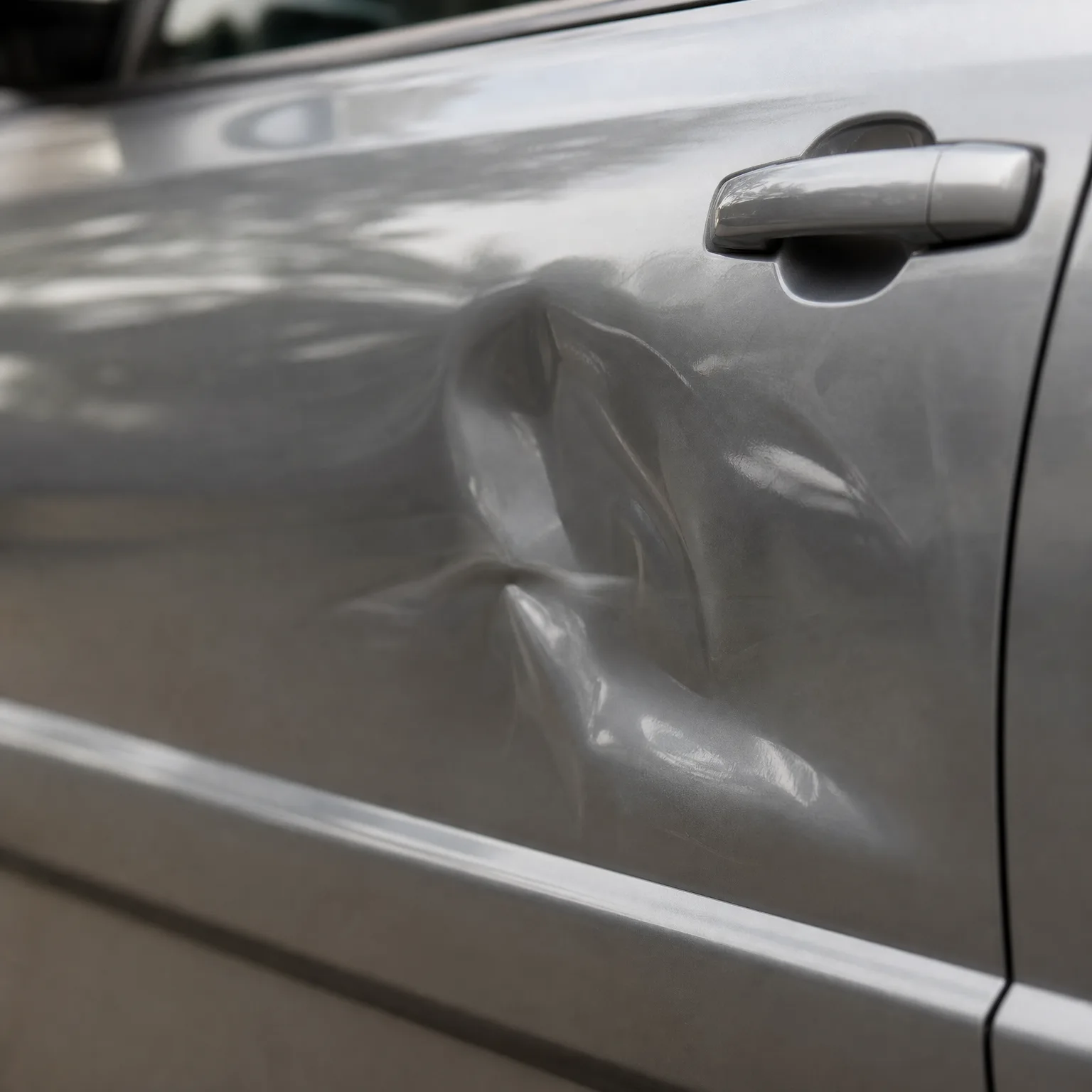
A buyer compares a private listing against free tools
You find a car listed by a private seller for less than similar ones nearby. The seller says it's never been in an accident and the title is clean. Before agreeing to anything, you run the VIN through a free decoder and it matches the listing exactly, which is a good first sign. You then check the federal title and theft database and it comes back with no salvage or theft record, so the seller's claim about the title holds up so far.
Next you look up the VIN in a free recall search and find one open recall for an airbag component that was never addressed. You ask the seller about it and they didn't know it existed. You also ask for maintenance records and they hand over a thin stack of oil change receipts, nothing more. None of this proves the car is bad, but it tells you what to negotiate on and what to ask a mechanic to look at before you sign anything. You end up buying the car at a lower price after the seller agrees to get the recall fixed first.
Once you know the car's real history, compare insurance quotes with the full picture in hand.
Why free tools get you most of the way there
Vehicle history has several separate sources, and no single one of them holds everything. Government agencies track theft reports and title brands because those facts affect public safety and law enforcement. Manufacturers track recalls because they're legally required to notify owners. None of these groups track fender benders or how well someone maintained their oil changes, so free tools reflect only what someone was obligated to report.
Paid reports exist because private companies compile accident histories, odometer readings and service records from body shops, insurers and dealerships into one file. That compilation work costs money to maintain, which is why it's not free. But the underlying title and theft data those reports rely on comes from the same public sources you can search yourself, so you're not missing that part by skipping the paid version.
Where this gets more complicated is when a car has moved between states. Title brands like salvage or rebuilt don't always carry over the same way when a car is retitled somewhere else, and some states are stricter than others about requiring disclosure. If a car has lived in more than one state, check the title history in each state it was registered, not just the current one.
The other gap is anything that happened off the books. A car repaired at an independent shop with cash, never reported to an insurer, won't show up in any database, free or paid. That's exactly why a mechanic's inspection still matters even after you've done every free check available. The paperwork tells you what was reported. The inspection tells you what's actually there.
Free tools show what was reported. Only an inspection shows what's actually true about the car.
Can a car have a clean title and still have been in a bad accident?
Yes, if the damage never led to an insurance total-loss claim or got reported to a state title agency. Repairs paid out of pocket or through a shop that didn't file paperwork leave no public trail. This is why a clean title from a free check is reassuring but not proof of a clean history, and why a mechanic's inspection still matters even after the paperwork checks out.
Do free vehicle history checks work the same for a car bought out of state?
Mostly, but you should check title history in every state the car has been registered in, not just the current one. Some states handle salvage and rebuilt brands differently, and a title can occasionally get reissued as clean when it moves between states. If the car has out-of-state history, ask the seller for prior registration records and check that state's own title lookup tool if it offers one.
Will a free vehicle history check affect what I pay for insurance?
Not directly, but what it reveals will. If a free check shows a salvage or rebuilt title, insurers will ask about it and may limit coverage options or change what they pay out on a claim. Knowing the title status before you call for quotes means you can ask the right questions upfront instead of being surprised partway through getting covered.