Is It Hard to Get Insurance on a Rebuilt Car
It's harder to insure a rebuilt car, but you can usually get it covered once you know what insurers want to see first.
What makes a rebuilt title harder to insure
- Fewer insurers offer full cover Many insurers write liability on a rebuilt title but turn down comprehensive and collision. Call around before you assume your current insurer is your only option.
- Inspection comes before coverage States that allow rebuilt titles usually require a passed inspection before the title is reissued. Keep that paperwork, since insurers will ask for it before they'll quote you.
- Payouts are based on lower value If the car is damaged again, the insurer pays what a rebuilt title is worth, not what a clean title car of the same model would bring. Expect that number to be noticeably lower.
- Specialty insurers may be needed Some mainstream insurers avoid branded titles altogether. Independent agents who work with multiple insurers can often find you one that doesn't.
- Your state sets some rules How a rebuilt title is labeled and what counts as a passed inspection varies by state. Check with your state's motor vehicle agency for the exact requirements where you live.
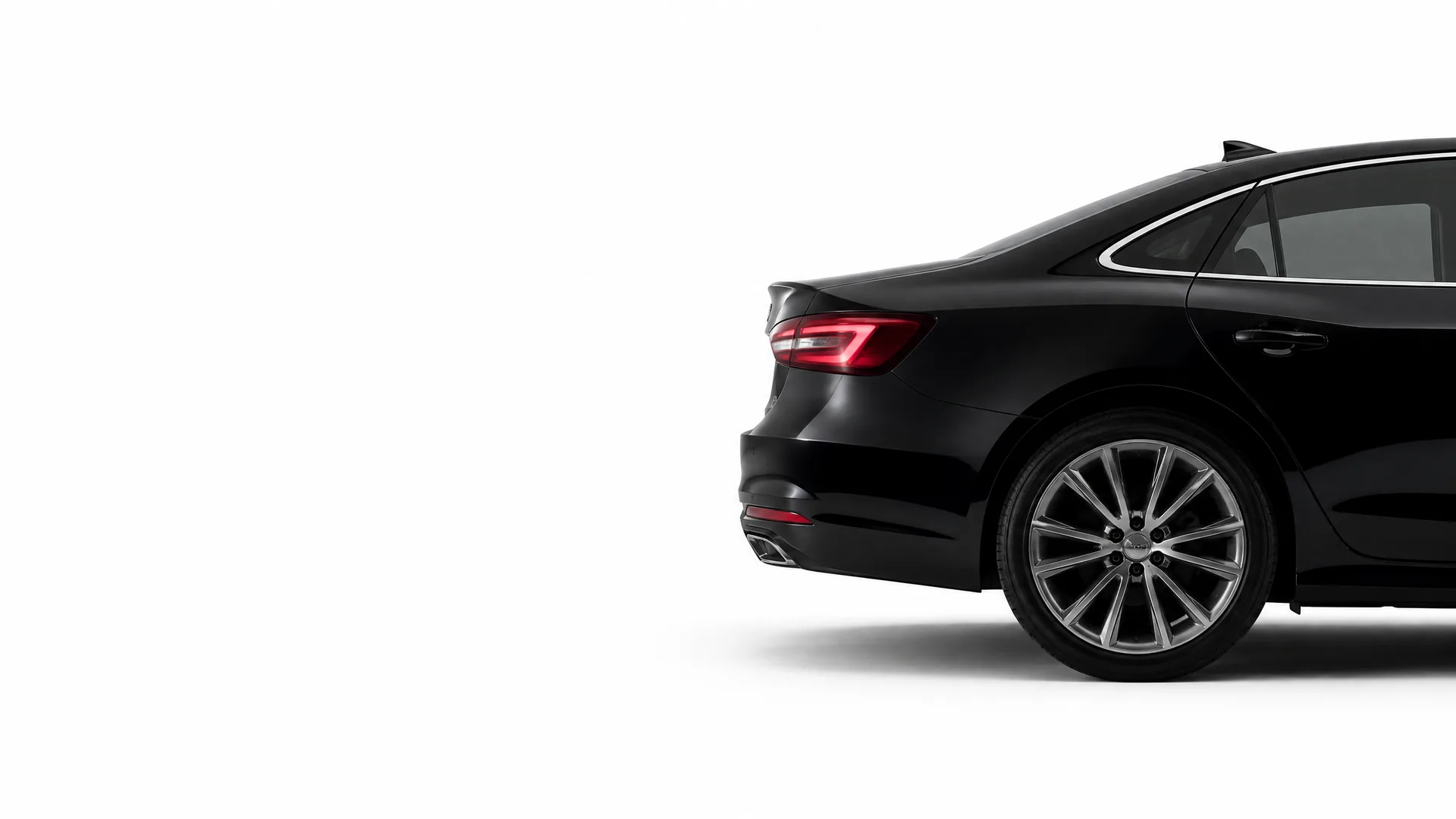
Shopping coverage after buying a rebuilt sedan
A reader bought a sedan with a rebuilt title because the price was low enough to be worth the extra hassle. Their regular insurer quoted liability only, no comprehensive or collision, and gave no clear reason beyond calling the title a risk. Rather than assume that was the final answer, they called two more insurers and worked with an independent agent who specialized in placing harder-to-insure vehicles.
The agent found an insurer willing to write full coverage, but only after the car passed a state safety inspection and the reader submitted photos of the completed repairs. The quote came in higher than it would have for a clean title car, and the payout limit for a future claim was tied to the car's rebuilt value, which the agent explained upfront. The reader accepted the terms, since the coverage still cost less than carrying no protection on a car they'd already paid to fix and intended to keep for years. They now keep inspection and repair records in the glove box in case a future claim raises questions about the car's history.
The obstacle isn't whether you can get insured, it's finding which insurer will say yes.
Once you know what a rebuilt title means for your coverage, compare quotes to find an insurer that covers it.

Getting full coverage on a rebuilt title or settling for less
If you do
You call several insurers and an independent agent, gather your inspection and repair records, and ask directly about rebuilt titles. You find an insurer willing to write full coverage, understand the lower payout value upfront, and drive knowing a future claim won't leave you without a car and no money to replace it.
If you don't
You stick with the first quote you got, which may only be liability coverage. If the car is stolen or damaged beyond repair, you pay out of pocket to replace it. You also don't know what the car is actually worth to an insurer until a claim forces you to find out the hard way.
Why rebuilt titles change how insurers price and pay
Insurers price a policy based on the risk they're taking on and what they'd have to pay out if something went wrong. A rebuilt title tells them the car was once declared a total loss, repaired, and inspected well enough to go back on the road. That history doesn't mean the car is unsafe, but it does mean the insurer has less certainty about how the repairs will hold up over time, especially in a future accident. Some insurers manage that uncertainty by declining comprehensive and collision coverage altogether and only offering liability, which covers damage you cause to others but nothing on your own car.
Other insurers are willing to write full coverage on a rebuilt title, but they adjust for the risk by basing your payout on the car's rebuilt value rather than what a clean title car of the same make and model would be worth. This is simply how actual cash value works. A rebuilt title is a permanent mark on the car's history, and it lowers resale value because future buyers and their insurers will see the same branded title you do.
Inspections matter because they're the insurer's main evidence that the repairs were done correctly. A passed inspection, especially one with documentation from a qualified shop, gives an insurer more confidence to offer coverage and can sometimes affect the terms they offer. Without that paperwork, you're asking an insurer to take your word for it, which many won't do.
Where this plays out differently is state to state. Some states have stricter standards for what qualifies a car to move from salvage to rebuilt status, and some require more rigorous inspections than others. That affects both which insurers are willing to write a policy and how much the title affects your value in a claim. Check your state's specific rebuilt title requirements before you assume your experience will match someone else's.
Can I get comprehensive and collision on a rebuilt title car?
Yes, but not every insurer offers it. Some insurers only write liability on a rebuilt title because they're uncertain how well the repairs will hold up. Others will write full coverage if the car has passed inspection and you have documentation of the repairs. Call multiple insurers or work with an independent agent to find one that offers full coverage, and ask specifically what they require before they'll quote it.
Does a rebuilt title lower my car's resale value?
Yes, a rebuilt title permanently lowers resale value compared to a clean title car of the same model. Buyers and their insurers both see the branded title, and it signals the car was once a total loss. This also affects what an insurer pays you if the car is damaged or stolen, since payouts are based on the car's actual value, not what a clean title version would be worth. Expect this gap to persist for as long as you own the car.
What's the difference between salvage and rebuilt title insurance?
A salvage title usually can't be insured for driving until it's repaired and passes inspection to become a rebuilt title. Once it's rebuilt, you can typically get liability coverage easily, and full coverage from some insurers if the car passes inspection. A salvage title that hasn't been rebuilt yet generally can't be registered or driven, so there's little to insure until that process is complete. Check your state's title process to see where your car stands.