Buying a Rebuilt Title Car
You can insure a rebuilt title car, but you'll likely get less coverage choice and a lower payout than a clean-title car would get.
Insurers price the risk they can't fully see
A rebuilt title means the car was once declared a total loss and then repaired and passed inspection well enough to go back on the road. Insurers know the inspection confirms the car is driveable, not that every hidden system was restored to original condition. That uncertainty is why some insurers limit what they'll offer or decline the car outright.
Liability coverage is rarely the problem, since that pays for damage you cause to others and doesn't depend on your car's value. The harder part is coverage that pays out based on what your own car is worth, because insurers have to put a number on a car with a damaged history and less certain resale value. That number usually lands lower than what a similar clean-title car would get.
This varies a lot by insurer and by state, so the same car can be easy to insure fully with one company and nearly impossible with another. Some states also have their own rules about how rebuilt titles are inspected and labeled, which affects what insurers see when they evaluate the car. Check with more than one insurer before assuming the car can't be covered the way you want.
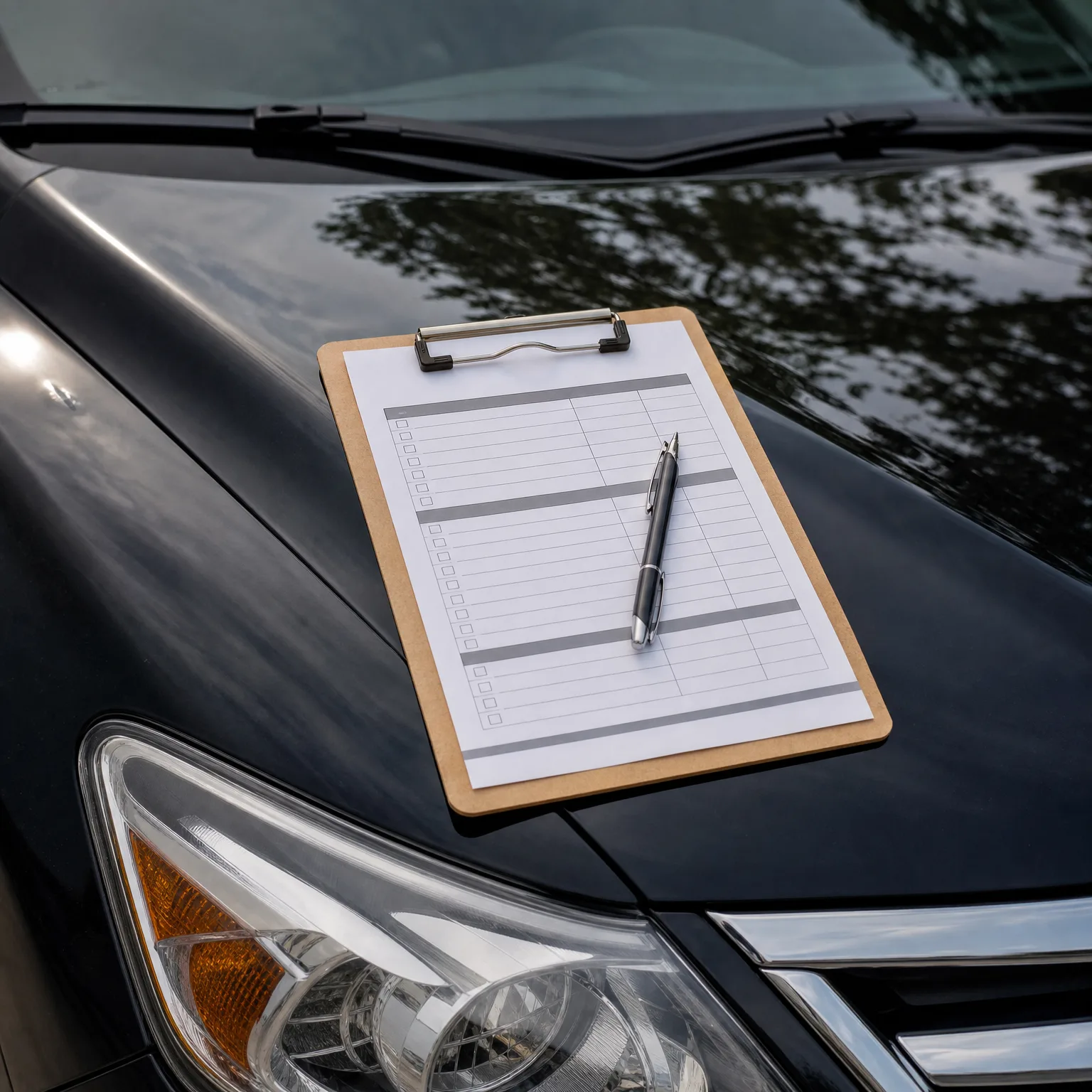
The repair quality matters more than the title stamp itself. A rebuilt title from a flooded car handled by a careless shop is a different risk than one from a fender-bender rebuilt by a shop that documented every part. Ask for repair records and inspection paperwork, because insurers may ask for them too, and having them ready can change what you're offered.
Will a rebuilt title car cost more to insure than a clean title car?
Often yes, but not always for the reason people expect. The rate itself, what you pay monthly, may not jump dramatically. What usually changes is the payout side. If the car is damaged or stolen, the amount the insurer pays you is based on the car's actual value, and a rebuilt title car is typically valued lower than an equivalent clean-title car. So you may pay a similar amount for less financial protection.
Some insurers also charge more because they consider the car a less predictable risk overall. The only way to know your real cost is to get quotes with the actual title status disclosed, since estimating from a clean-title car's price will mislead you. Ask each insurer directly how they'd value the car in a total loss, not just what the monthly premium would be.

Whether you get full coverage before you buy
If you do
You find out exactly which insurers will cover the car and what they'll pay if it's totaled again, before you've spent any money. You can negotiate the price down if coverage is limited, walk away if no insurer will touch it, or buy with confidence knowing what protection you're actually getting.
If you don't
You buy the car, then call around and learn some insurers won't offer full coverage at all. You're stuck with liability-only protection on a car you just paid for, with no leverage left to renegotiate the price, and no idea what you'd actually get back if something happened to it.
Compare quotes now so you can see what each insurer actually pays before you commit to buying this car.
What actually determines whether you can insure this car
- Get repair records first Ask the seller for documentation of what was damaged and how it was repaired. Insurers may request this, and having it ready can mean the difference between an offer and a decline.
- Call insurers before buying Don't assume your current insurer will cover it the same way. Get quotes with the rebuilt title disclosed so you know the real terms before you commit to the purchase.
- Ask about the payout A low premium can hide a low payout if the car is totaled again. Ask directly what the insurer would pay you, not just what they'd charge you.
- Check the inspection rule Some states require a specific inspection before a rebuilt title car can be registered or insured. Confirm this was done and keep the paperwork with the title.
- Expect fewer insurer options Not every insurer writes policies for rebuilt titles. Shopping around matters more here than it would for a clean-title car, since terms vary widely between companies.
A buyer who checked before signing anything
A reader found a rebuilt title sedan priced well below similar clean-title cars nearby. Before putting down a deposit, they asked the seller for the original damage report and the repair shop's invoice, which listed every part replaced and included photos from before and after the work. They also asked whether the state had done a required inspection, and the seller provided that certificate too.
With those documents in hand, they called three insurers and described the car exactly as it was, rebuilt title and all. One insurer declined to offer anything beyond liability. Another offered full coverage but valued the car noticeably lower than the asking price, which gave the buyer room to negotiate the purchase price down before closing the deal. They bought the car at the lower price, insured it with the second insurer, and went in understanding exactly what they'd receive if it were ever totaled again.
The repair records matter more than the title brand itself, so get them before you decide anything else.