Liability Only on a Rebuilt Car
Yes, liability-only is usually your easiest option on a rebuilt car, and for many owners it's also the sensible one.
What to work out before you decide
- Check if full coverage exists Some insurers won't write comprehensive or collision on a rebuilt title at all. Call around before you assume liability is your only choice, since one insurer's answer isn't every insurer's answer.
- Get the car's real value first A rebuilt title lowers what the car is worth compared to a clean-title version. Get an appraisal or a written estimate so you know what you'd actually be insuring, not what you paid for it.
- Weigh payout against premium If full coverage exists, its payout will be capped low and the premium may not reflect that. Compare what you'd pay against what you'd realistically collect if the car were totaled again.
- Plan for the coverage gap Liability only pays for damage you cause to others, never your own car. If you can't afford to repair or replace it yourself, factor that risk into your decision now, not after a claim.
- Ask about required inspections Many states require a salvage or rebuilt inspection before the title clears and before some insurers will even quote you. Check your state's requirement so it doesn't stall your coverage.
A driver who kept a car after a flood claim
A reader's insurer totaled her car after flood damage, but she bought it back at salvage value and had it repaired and retitled rebuilt. When she went to insure it again, her previous insurer declined to offer anything beyond liability on a rebuilt title, so she called several others. Two more turned her down for comprehensive and collision outright, and a third offered it but at a payout cap that barely covered the repair cost she'd just paid.
She decided the math didn't work. The premium for limited full coverage was close to what liability alone would cost, but the payout if the car was damaged again would barely return what she'd already spent fixing it. She went with liability only, put the difference toward a small repair fund of her own, and made sure her state's rebuilt inspection was filed so there'd be no issue proving the title was clean to drive. For her, liability matched both the car's real value and what she could absorb if something happened again.

Now that you know what liability-only covers, compare quotes to see what it actually costs for your car.
Why rebuilt titles push owners toward liability
Insurers price comprehensive and collision coverage around what they'd pay you if the car is totaled. A rebuilt title drags that value down no matter how good the repair work was, because the market treats the history as permanent risk, not a one-time event. When the payout ceiling drops that low, many owners find the coverage isn't worth its premium, and some insurers decide it isn't worth underwriting at all.
That's the financial logic, but there's also a practical one. Insurers that do write full coverage on rebuilt cars often want proof the repair was done right and inspected before they'll take on the risk. That paperwork and scrutiny add friction that doesn't exist with a clean title, and it's part of why shopping around matters more here than almost anywhere else in insurance.
Liability only sidesteps all of that. It's about protecting other people and their property if you cause an accident, and that risk doesn't change based on your car's title history. Your driving record and the car's size and type matter more there than whether the title says rebuilt, which is why liability premiums usually look close to what they'd be on a clean-title car.
Where this plays out differently is when the car's value, after rebuild, still sits high enough that a payout would matter to you. A rebuilt luxury or newer car can still be worth protecting with full coverage even with a lower cap, so run the numbers for your specific car rather than assuming liability is automatically right.
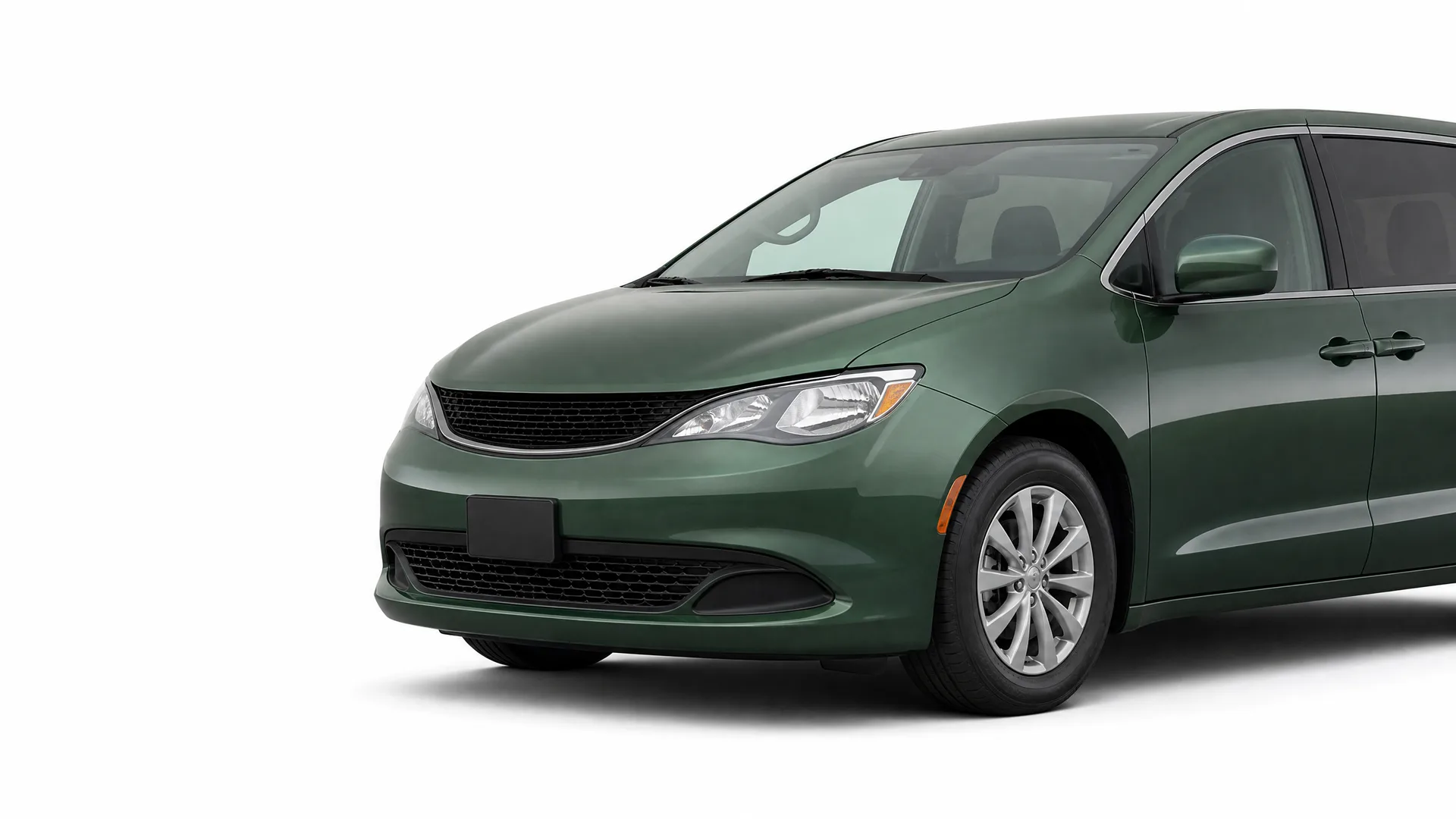
The decision isn't about what the title says, it's about what the car is worth to you if it's gone tomorrow.
Will a rebuilt title keep hurting my insurance costs for years?
Not in the way you might expect. The title brands the car for life, but insurers mostly care about its current value and condition when they price a policy, not how long ago the damage happened. Once the car is inspected, repaired, and retitled, insurers treat each renewal based on your driving record and the car's present value, the same way they would for any other vehicle.
What does stay lower, permanently, is the car's resale and payout value compared to an equivalent clean-title car. That's a one-time hit to what the car is worth, not an ongoing insurance penalty. So your rates should behave normally over time, but if you're relying on this car's value for a future trade-in or a future claim, expect it to stay discounted for as long as you own it.