Can a Rebuilt Car Be Reliable
Yes, a rebuilt car can be reliable, but only if you can verify the repair and prove it to an insurer.
Reliability comes from the repair, not the title
A rebuilt title tells you the car was once declared a total loss and has since passed inspection to go back on the road. It doesn't tell you who did the repair, how thorough it was, or whether hidden damage was addressed. Two cars with the same title brand can be in completely different condition, so the title itself is not the thing to judge reliability by.
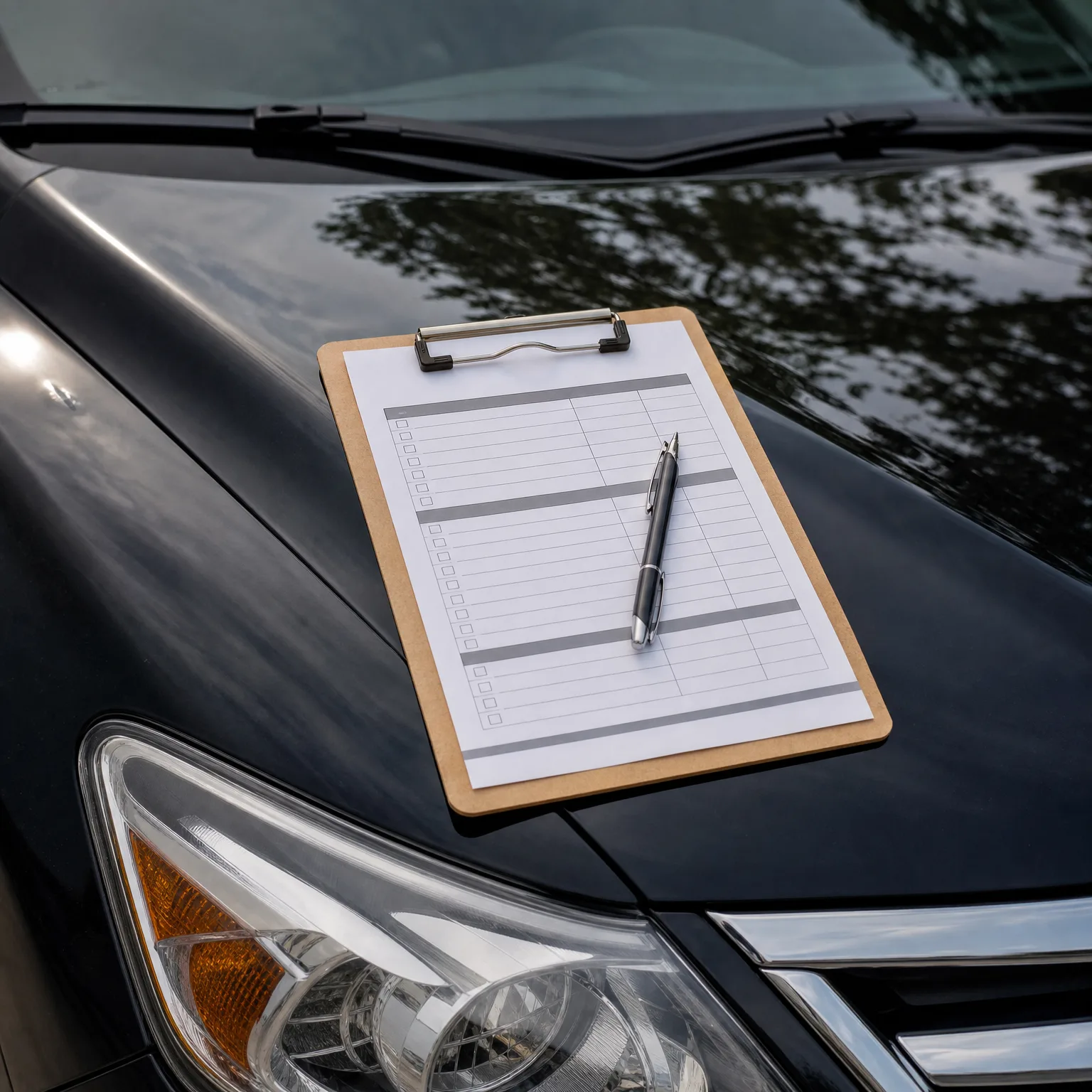
What actually determines reliability is the quality of the repair and the documentation behind it. A car repaired by a shop that replaced structural parts with proper equipment and kept records is a different animal from one patched together to pass a visual inspection. Ask for the full repair history, the parts used, and the inspection report before you decide anything else.
Insurers think about this the same way you should. Many will cover a rebuilt car, but they want to see that inspection passed and sometimes want their own look before issuing a policy. Because the car's documented history carries so much weight, some insurers also limit coverage or pay less on a future claim than they would for a clean title car, even when the repair was solid.
This varies by state and by insurer, since inspection standards and coverage rules differ. Check your state's rules for rebuilt titles and ask any insurer directly how they treat this car before you buy or keep it.

The short version
A rebuilt car can be reliable if the repair was thorough and documented, since the title brand alone doesn't tell you the car's real condition. The main thing to check is the repair and inspection history, not the title itself. Get that paperwork before you decide, then call insurers to confirm they'll cover it the way you expect.
A buyer who checked before deciding
Someone was looking at a rebuilt sedan priced well below similar clean title cars. Before committing, they asked the seller for the original total loss report, the shop's repair invoice, and the state inspection certificate. The invoice showed new structural parts, not used ones, and the inspection had been done by a licensed station. They also called two insurers to ask directly whether they'd write a full coverage policy on it and what they'd pay out if it were damaged again.
One insurer offered full coverage with no issue, the other wanted to inspect the car first. The buyer chose the first and bought the car with a clear sense of what they'd get back in a future claim. A year in, the car has been reliable, and the buyer credits that to checking the paperwork before the price, not after.
Once you know the repair checks out, compare quotes to see which insurer treats this car the way you need.

Verifying the repair before you buy or keep the car
If you do
You get the repair invoice, inspection report, and total loss history in hand. You know exactly what was fixed, with what parts, and by whom. You can ask insurers specific questions and get real answers about coverage and claim payouts. You buy or keep the car with confidence instead of guessing.
If you don't
You're relying on the title brand alone, which only means it passed inspection, not that the repair was excellent. You may find out too late that coverage is limited or a claim pays less than expected. If something goes wrong, you won't know whether it's a new issue or a leftover from the original damage.
Will a rebuilt title hurt the car's resale value later?
Yes, a rebuilt title almost always lowers resale value compared to a clean title car, even if the repair was excellent. Buyers and appraisers treat the title brand as a permanent mark on the car's history, regardless of how well it drives. This isn't about the car's current reliability, it's about the market's caution around branded titles.
How much it affects value depends on the car, the buyer, and the records you can show. A well documented repair with a clean inspection history will soften the hit more than a car with no paperwork at all. Some buyers specifically look for rebuilt cars at a discount and don't mind the brand, especially if they plan to keep it long term rather than resell soon. If resale value matters to you, keep every document from the repair and inspection, since that paperwork is what future buyers and insurers will ask for too.
The title tells you what happened to the car, but only the paperwork tells you if the repair was any good.