Valuing a Rebuilt Car After a Claim
After a claim, a rebuilt car is paid out at its reduced market value, not at what a clean-title version would fetch.
Insurers pay what buyers would pay for a branded title
When your car is damaged again and the insurer writes a check, they're not trying to make you whole for what you paid or what you think it's worth. They're estimating what the car would have sold for the day before the loss, based on actual sales of similar cars. A branded title follows the car permanently, and it shrinks the pool of buyers willing to purchase it and the price those buyers will pay. That discount gets built into your payout, even though you may have put real money and real work into the rebuild.
This is why two identical-looking cars, one clean title and one rebuilt, settle for different amounts after the same kind of damage. The insurer isn't punishing you for the branded title. They're reflecting what the market has already decided about cars like yours. The gap can be wider or narrower depending on how buyers in your area treat rebuilt titles, which is something that varies and is worth checking before you assume a number.
How the insurer documents your car's condition also matters. If you have records of the rebuild, inspection reports, and receipts for parts and labor, you have something to point to if the initial offer looks low. Without that paperwork, the adjuster has less to work with and may default to a more conservative estimate.
There are cases where the gap is smaller than expected, particularly if the rebuild was recent, well-documented, and performed by a shop with a strong reputation. There are also cases where it's wider, especially if the title brand came from serious structural damage. Either way, the valuation is never automatic. It's built from evidence, and the more evidence you bring, the more accurate the number tends to be.
A rebuilt sedan gets hit a second time
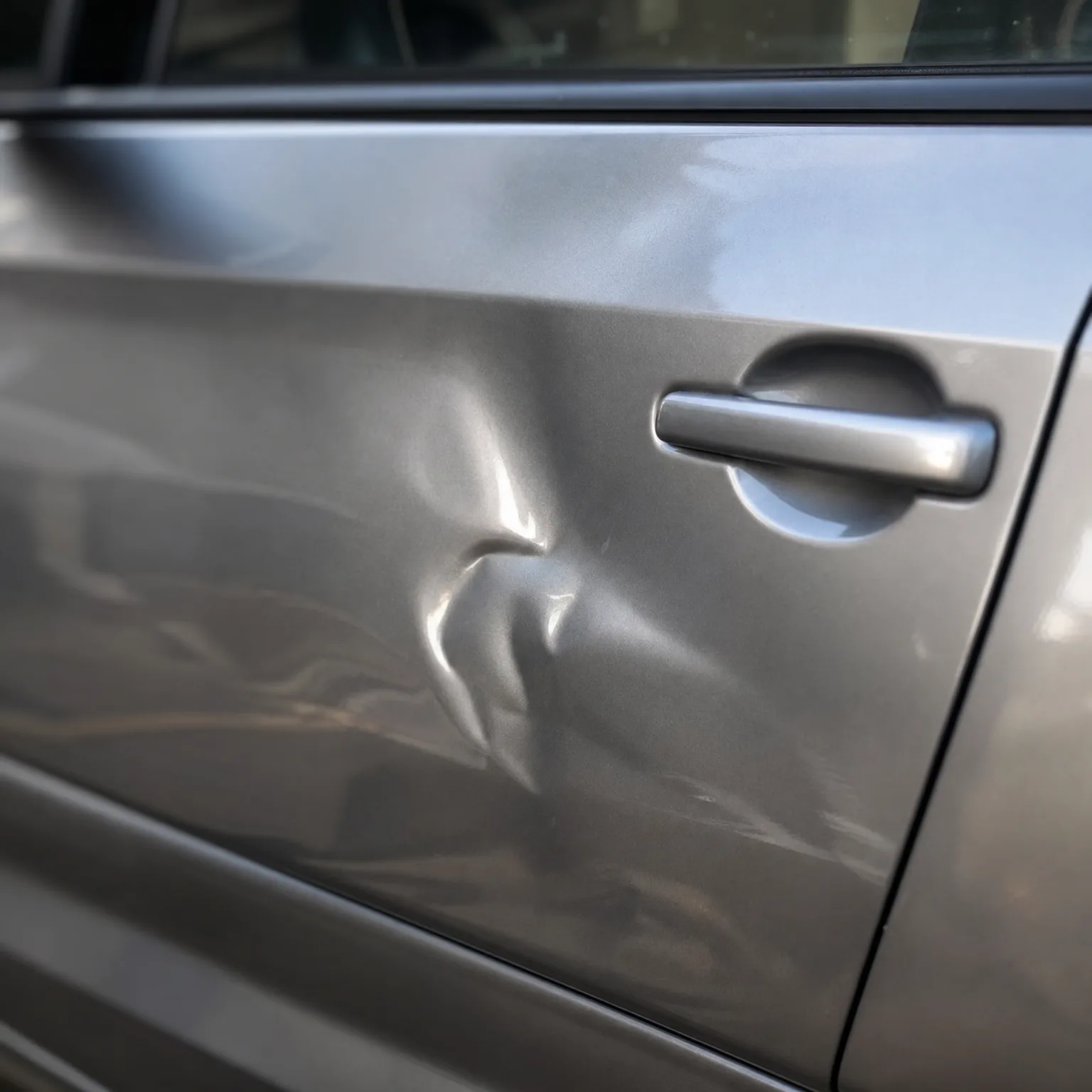
A driver bought a rebuilt sedan after a prior owner's accident, got it inspected, and insured it with coverage that would pay out its value if it was totaled again. A year later it was damaged in a parking lot collision and the insurer declared it a total loss. The initial offer came back lower than what similar clean-title sedans were selling for, which the driver expected, but it also seemed low compared to other rebuilt sedans in similar condition.
The driver gathered the rebuild paperwork, including the shop's repair records and the state inspection that had cleared the car for the road, and sent copies to the adjuster along with photos of recent maintenance. The adjuster revised the comparison to pull from actual sales of rebuilt-title cars in the region rather than a flat percentage cut, and the offer went up. The driver didn't get what a clean-title version was worth, and didn't expect to, but ended up with a number that reflected the specific car rather than a rough guess.
Now that you know how a rebuilt car's payout is calculated, compare quotes that cover it at a defensible value.
Can you fight a low valuation after the insurer totals your rebuilt car?
Yes, and it's worth doing before you accept the first number. Insurers base their offers on comparable sales, and if the comparisons they used are generic or don't reflect your car's actual condition, you can push back with your own evidence.
Bring repair records, inspection reports, recent maintenance receipts, and listings for similar rebuilt-title cars selling in your area. Ask the adjuster directly what comparisons they used and why. Many insurers have a formal appraisal or dispute process for exactly this situation, and using it costs you nothing but time. The strength of your case usually comes down to documentation, so the more organized your paperwork is, the better your chances of moving the number.

What determines what you'll actually get paid
- Title brand on record Whether your title says salvage or rebuilt changes how the insurer calculates value. Check your title paperwork so you know exactly how it's labeled before you file anything.
- Comparable sales nearby Insurers look at what similar branded-title cars actually sold for in your area. Ask the adjuster which comparisons they used and whether rebuilt-specific sales were included.
- Your rebuild paperwork Inspection reports, repair receipts, and shop records support a higher valuation. Keep this paperwork organized from the start so it's ready if you ever need to dispute an offer.
- Coverage type you carry Only certain coverage levels pay out for damage to your own branded-title car. Confirm with your insurer exactly what your policy pays if the car is totaled again.
- State and insurer rules How total losses are calculated and disputed varies by state and by company. Check your state's rules and your policy's dispute process before you need them.
Does a rebuilt title lower my car insurance rate or raise it?
It depends on the insurer, but it often doesn't lower your rate the way you'd expect given the car's reduced value. Some insurers price the risk of a previously damaged car higher, offsetting any savings from the lower insured value. Ask for a specific quote on your actual vehicle rather than assuming a branded title means cheaper coverage, and compare that quote against what a clean-title version of the same car would cost.
Will my insurer drop me after a rebuilt car is totaled again?
Not automatically, but a second total loss can affect your standing with an insurer. Some insurers reassess risk after a claim and may decline to renew or raise your rate at renewal. This varies by insurer and by state rules on nonrenewal, so check your policy terms and ask directly what happens to your coverage status after a claim like this is paid out.
Can I use the insurance payout to buy another rebuilt car?
Yes, nothing restricts how you use a total loss payout once it's issued. You can put it toward another rebuilt car, a clean-title car, or anything else. Just know that insuring the next rebuilt car will involve the same valuation questions, so it helps to ask insurers about their rebuilt-title policies before you buy rather than after.