What Does Totaled Mean
A car is totaled when the cost to repair it is close to or more than what it was worth right before it got damaged.
Repair cost against car value decides everything
Insurers don't total a car because it looks bad or because fixing it would take a while. They total it because of a comparison. They estimate what every repair would cost, parts and labor and anything hidden that the damage touched, and they weigh that number against what the car was worth right before the damage happened. When repair cost gets close to or passes that value, paying for repairs stops making financial sense for the insurer, and they declare it a total loss instead.
That value the car was worth is the other half of the equation, and it's not what you paid for the car or what you think it's worth. It's based on comparable cars in your area, their condition, mileage, and features. This is often the part that surprises people, because the payout can feel low compared to what the car meant to them or what they still owed on it.
The exact point where repair cost tips a car into total loss territory varies by state and by insurer. Some use a strict percentage of value as the line, others leave more room for adjuster judgment, and some factor in things like diminished value or the cost of a rental while repairs happen. If you want to know where that line sits for your situation, your insurer or your state's insurance department can tell you.
There are also cases where a car gets totaled even though the damage looks fixable to the eye. Hidden structural damage, airbag deployment, or flood exposure can all push repair estimates up fast, because parts like frames and electrical systems are expensive to replace and labor-intensive to verify as safe. The decision almost always comes down to that one comparison, not how the car looks from the outside.
Can you keep a car after it's been totaled?
Yes, in most places you can keep a totaled car instead of letting the insurer take it, but the payout changes when you do. The insurer typically subtracts the salvage value, what the car would have sold for as wreckage, from your settlement, since you're keeping something they would have sold otherwise.
Once you keep it, the car usually gets a salvage title, and in many states you'll need to get it inspected and repaired before it can carry a rebuilt title and go back on the road legally. Whether that's worth it depends on how much the repairs cost versus what you got paid, and whether you can find insurance for it afterward since some insurers limit coverage on branded titles.
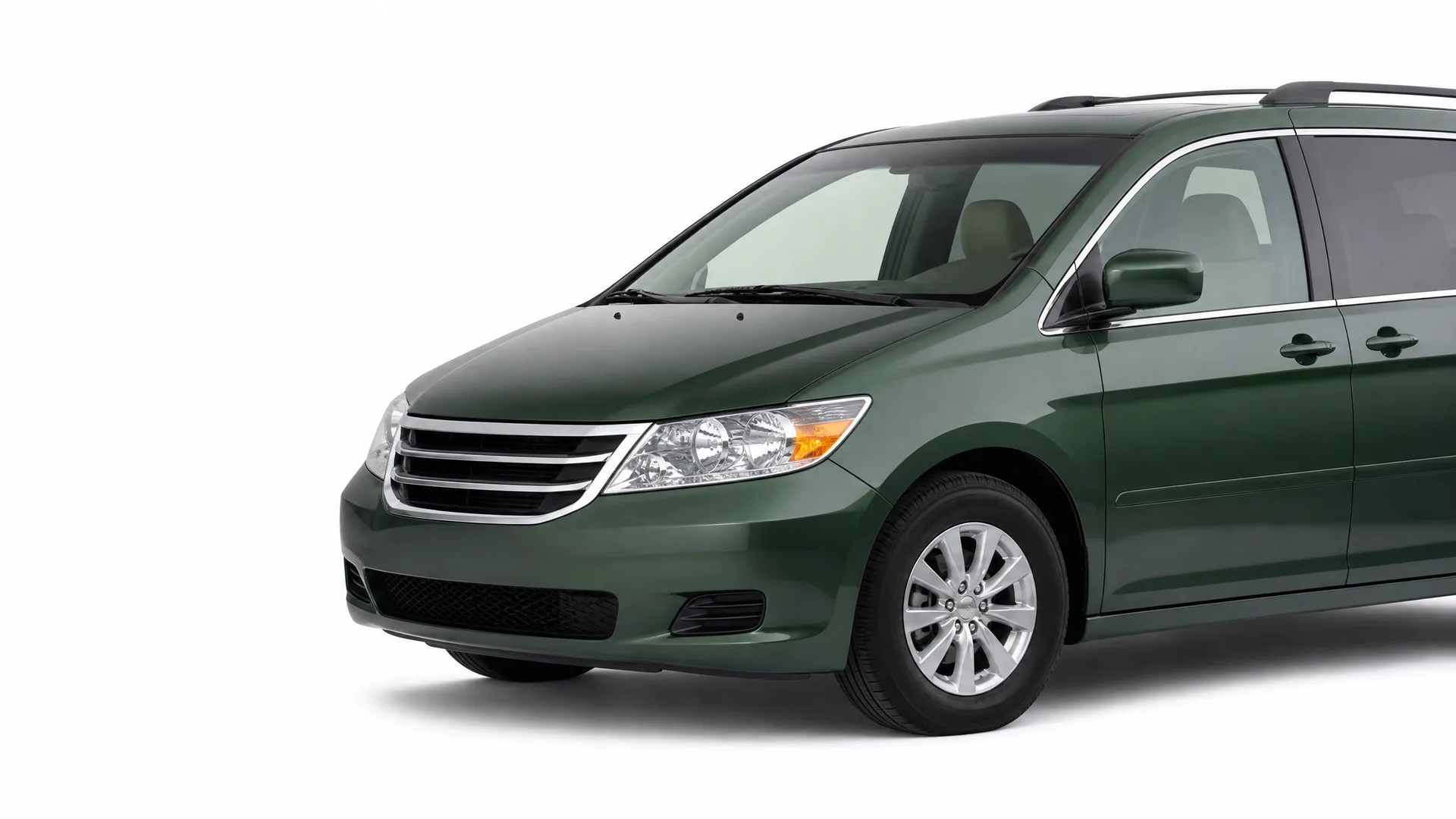
Once you know repair cost against value is the whole test, a totaled label stops feeling random.
Now that you know what totaled means for your car, compare quotes to see what coverage and payout look like.
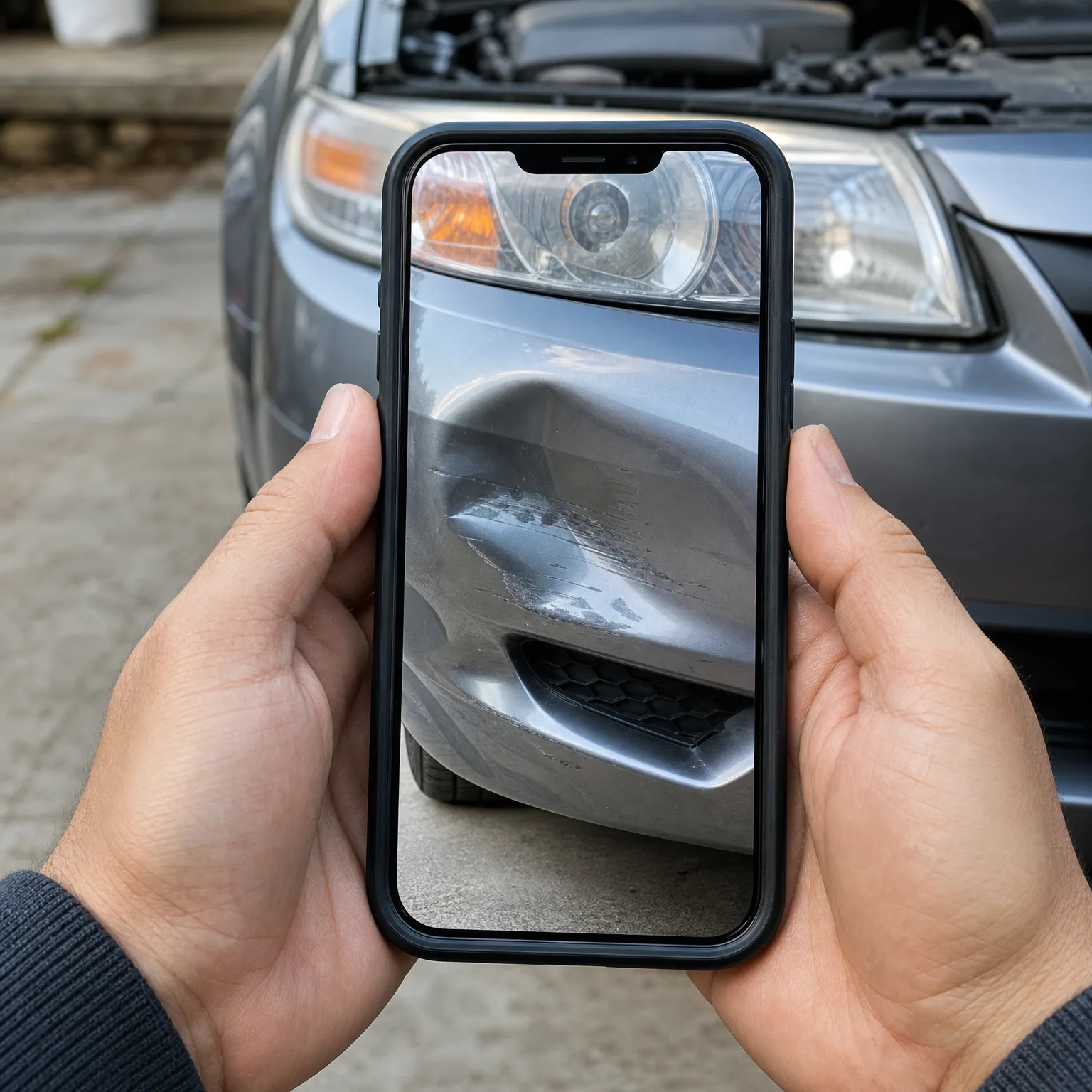
What actually happens once a car is totaled
- You get a cash value payout The insurer pays what the car was worth right before the damage, not what you paid for it or owe on it. Ask for the valuation report and challenge it if comparable cars in your area are priced higher.
- The title gets branded Once declared a total loss, the car's title changes to salvage, which follows it permanently. Check your state's title rules before deciding whether to keep or sell the car.
- You can keep the car if you want You can take the payout minus salvage value and keep the car instead of handing it over. Decide this early, since the process and paperwork differ from a standard claim.
- Insurance options narrow after Some insurers won't offer full coverage on a salvage or rebuilt title, only liability. Call around before you commit to keeping or buying a branded title car.
- A loan can exceed the payout If you owe more on the car than it was worth, the payout may not cover your loan. Check whether you had gap coverage, since that's what covers the difference.

How is the value of a totaled car calculated?
Insurers use recent sales of comparable cars in your area, adjusted for mileage, condition, and features, to estimate what your car was worth right before the damage. This isn't the price you paid or your loan balance. Check the valuation report they give you, since you can usually dispute it with evidence like local listings for similar cars if the number looks low.
Can you sell a totaled car instead of keeping it?
Yes, and in most total loss claims that's exactly what happens by default, the insurer takes the car and sells it for salvage. If you want to keep it instead, you usually have to say so before the claim finishes, since the payout calculation changes once you decide to keep it.
Is a rebuilt title car safe to drive after repairs?
It can be, but that depends entirely on the quality of the repairs and whether the required inspection was thorough. States that issue rebuilt titles typically require an inspection before the car can be registered again, and that inspection is what you're relying on. Ask to see the inspection report and repair records before buying or re-insuring a rebuilt title car.