Selling a Rebuilt Title Car
You can sell a rebuilt title car, but expect a smaller pool of buyers and a lower price than a clean title would bring.

A rebuilt sedan, priced right, sold in a week
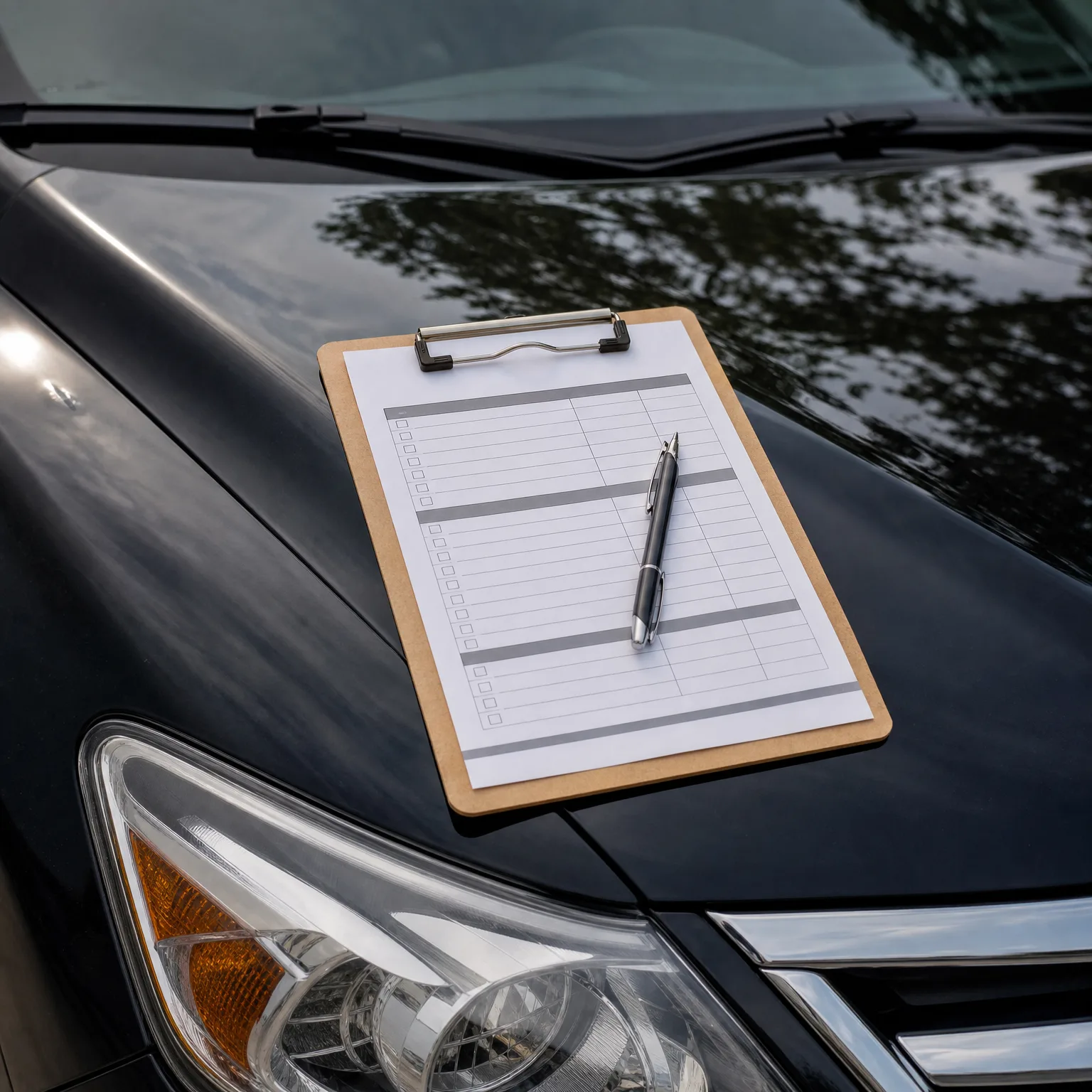
A reader had kept a sedan after it was totaled in a storm, then rebuilt and insured it for two years. When it came time to sell, they got quotes from two local shops to show the frame and systems had been properly repaired, then priced the car clearly below similar clean-title listings. They listed it with full disclosure of the rebuilt title and included photos of the repair work and the inspection paperwork.
Most buyers who called already understood what a rebuilt title meant and were shopping specifically for that kind of deal. One buyer walked away after reading the title status, but another came prepared with their own mechanic and bought the car after a short inspection. The seller didn't get what a clean title would have brought, but the sale closed faster than expected because the price and the paperwork matched what the buyer saw in person.
The short version
You can sell a rebuilt title car to a private buyer or a dealer who accepts branded titles, but you'll need to disclose the title status and price below clean-title value. The reason is simple: the title follows the car forever and limits resale demand and financing options. Get an inspection report and repair records ready before you list it.
Will a rebuilt title scare off every buyer?
No, but it narrows the field. Some buyers won't consider a branded title car no matter the price, often because their lender won't finance one or because they plan to resell it later and don't want that limit themselves. Others actively look for rebuilt title cars because they want a lower price and are willing to do their own inspection.
Your job as the seller is to find that second group and make it easy for them to say yes. That means being upfront about the title from the first conversation, not after someone has already fallen for the car. It also means having paperwork ready, since a serious buyer will ask what was damaged and what was repaired. The buyers who disappear after hearing "rebuilt title" were probably never going to complete the sale anyway. The ones who stay are the ones worth spending time on.
Once you know how you'll price and disclose the car, compare quotes to see what it would cost the next owner to insure.

What to line up before you list the car
- Get an inspection done A recent inspection from an independent shop reassures buyers the repair was done right. Bring the report and photos to every showing.
- Gather the repair history Receipts, parts used, and who did the work all matter to a cautious buyer. Keep them together in one folder or file.
- Price below clean-title comps Rebuilt titles sell for less than clean titles of the same year and model. Look at sold listings for similar branded-title cars, not just clean ones.
- Disclose the title upfront Most states require you to disclose a branded title, and hiding it can unwind the sale later. Say it in the listing, not just in person.
- Know your buyer pool is smaller Some buyers and lenders won't touch a rebuilt title at all. Expect a longer sale timeline and be ready to negotiate with serious buyers.
Why rebuilt titles sell for less and to fewer people
A rebuilt title exists because the car was declared a total loss at some point, usually because repair costs were judged to exceed the car's value at the time. Once that happens, the title is permanently marked, even after the car passes inspection and is legally returned to the road. That mark doesn't wash off with time or with new owners. It travels with the vehicle history report that any buyer can pull before they ever call you.
That permanence is what shapes the market. Many lenders won't finance a car with a branded title, which cuts out buyers who need a loan to purchase. Many insurers also pay out less on a branded title car if it's damaged again, which buyers who know this will factor into what they're willing to pay. Both of these push the price down before you even list the car.
What changes the outcome is how clearly you can show the car was properly repaired. A buyer who sees a clean inspection report, a clear repair history, and a fair price is often reassured enough to move forward, especially if they were specifically looking for a lower-cost car and knew what a branded title meant going in. A buyer who senses you're hiding something, or who finds the title status after you've already described the car as being in perfect condition, will walk and tell others to do the same.
In some states, the rules about what counts as rebuilt versus salvage, and what disclosures are required, differ enough that it's worth checking with your state's motor vehicle agency before you list the car. That will tell you exactly what paperwork you're required to provide and whether an inspection is mandatory before resale.