Full Coverage on a Rebuilt Title
You can get full coverage on a rebuilt title, but you'll likely pay more for it and get back less if the car is ever totaled again.
Why rebuilt titles cost more to cover and pay out less
An insurer pricing full coverage is really pricing two things: how likely you are to file a claim, and how much they'd owe you if you did. A rebuilt title doesn't change the first much, you drive the same way you always have. It changes the second. The car's resale value took a permanent hit the moment it was branded, and insurers price the policy around that lower value, not around what a clean-title version of the same car is worth.
This is why some insurers decline to offer full coverage at all. They're not worried about you, they're worried about valuing the car fairly after a loss, and some companies would rather avoid that argument entirely. Others will cover it but want to see it passed a state inspection first, since that's their way of confirming the repair was done right and the car is what it claims to be.
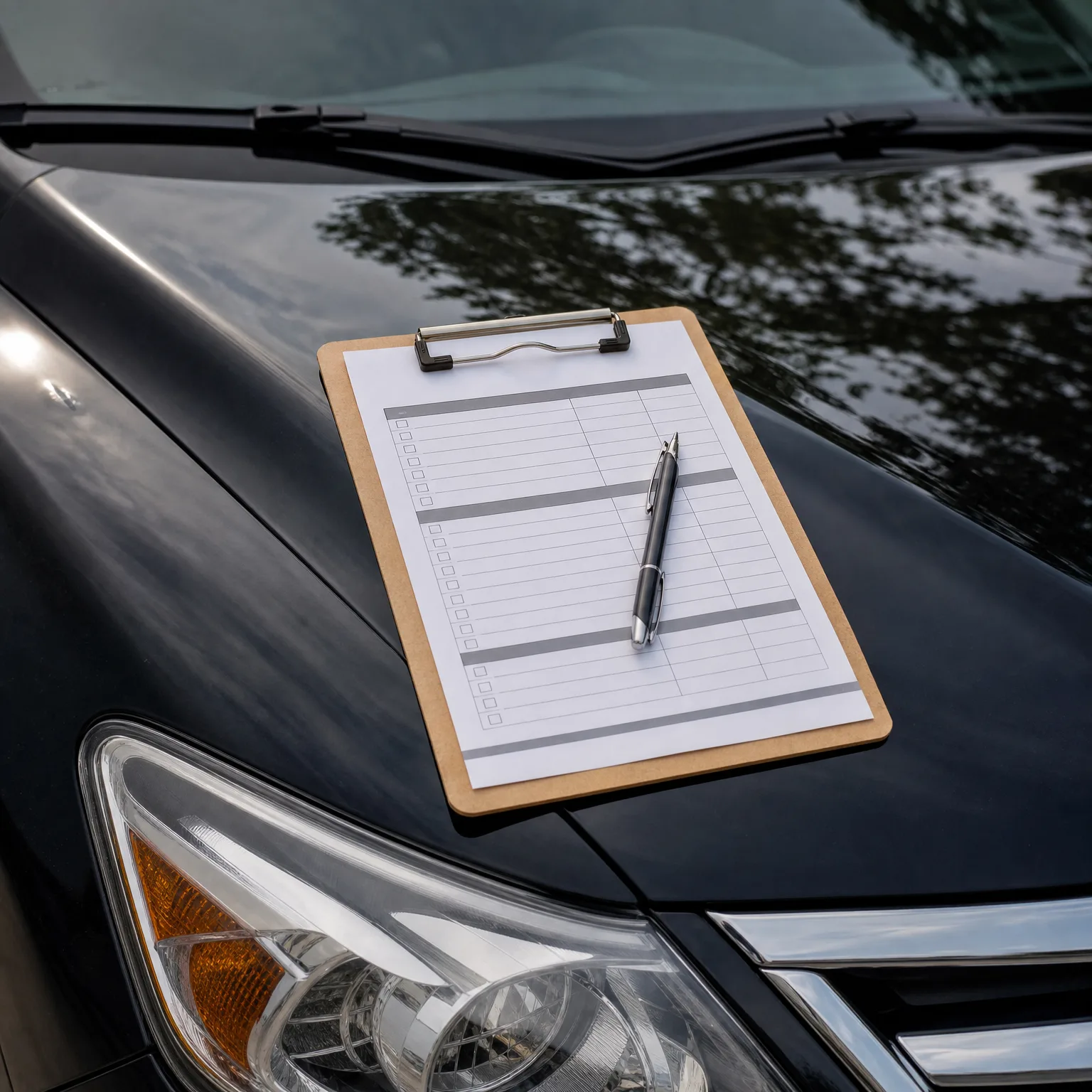
The variation you'll run into is which insurers participate and what their inspection process looks like. Some states require a specific rebuilt-title inspection before the car can even be registered, and insurers often want proof of that inspection before writing a policy. Check your state's requirements and ask each insurer directly whether they write full coverage on rebuilt titles, since this isn't something you can assume from one company to the next.
Where this plays out differently is at claim time. If the car is damaged again, the payout is based on the rebuilt title's market value, which is lower than a comparable clean-title car. That's the tradeoff you're accepting for the lower purchase price, and it's worth knowing going in rather than discovering it after a loss.
The short version
You can get full coverage on a rebuilt title, but not every insurer offers it, and the payout after a claim reflects the car's lower branded value, not a clean-title price. Shop multiple insurers and ask directly about rebuilt titles. Get any required inspection done first, since most insurers want proof of it before they'll write the policy.
Will my payout be lower if the car is totaled again?
Yes. If this car is totaled again, the insurer pays out based on its actual market value as a rebuilt title, which is lower than what a clean-title version of the same make and model would fetch. That's simply what the car is worth with a brand on its title, and insurers value it the same way a buyer would if you tried to sell it.
This isn't a penalty for how you drive or a reflection of the repair quality. It's the market adjusting for the car's history, and every insurer will apply some version of this discount. If you want a clearer sense of where your payout would land, ask the insurer how they source valuations for branded titles before you buy the policy, not after you need it.
Compare quotes now that you know what rebuilt-title coverage and payouts actually look like.

Getting the required inspection done before you apply
If you do
You get an official record proving the repair was done right, which more insurers will accept. It also speeds up the application since you won't be stuck waiting on paperwork. You walk into quotes knowing your options instead of guessing which companies will say yes.
If you don't
Some insurers will turn you down outright, and others may delay your application while they request the paperwork anyway. You could end up stuck with liability-only coverage longer than you need to be, simply because you skipped a step most insurers expect before they'll quote you.
Keeping a totaled car instead of walking away
Someone's insurer totaled their car after a storm, paid out the claim, and the car came back with a rebuilt title once they fixed it themselves rather than letting it go to salvage. They liked the car and the price to repair it was less than what they'd pay for a replacement, so they kept it. Then they went to insure it and found their previous insurer wouldn't offer full coverage anymore, only liability.
They called around, confirmed their state required a rebuilt title inspection before registration, and got that done first. With the inspection report in hand, they found two insurers willing to write full coverage, though both were clear the payout on a future claim would reflect the car's rebuilt value, not what it was worth before the storm. They picked the one with better terms, kept the inspection paperwork on file in case they switched insurers later, and accepted the lower future payout as the cost of keeping a car they already knew and liked.