How Do You Work Out Salvage Value
Salvage value is what a damaged car would bring at auction in its wrecked state, subtracted from what the insurer owes you.
The number comes from what a buyer would pay for the wreck
When a car is declared a total loss, the insurer isn't just paying you for a car that's gone. They're taking ownership of the wreck too, and they plan to sell it at a salvage auction to someone who will rebuild it, part it out, or scrap it. Salvage value is their estimate of what that wreck will actually fetch. It gets subtracted from the car's pre-damage value, and what's left is your payout.
To land on that number, insurers typically look at recent auction results for similar damaged vehicles, factoring in the make, model, age, and how severe the damage is. A newer car with a bent bumper might still have real value in its parts and frame. An older car with extensive structural damage might be worth closer to scrap. The condition of the engine and transmission matters a lot here, since those are the parts that hold value even when the body is wrecked.
This is also why salvage value can feel arbitrary from where you're sitting. You see a car that still runs. The insurer sees a data set of what similar wrecks sold for last month. Both are true at once, but only one of them sets the number on your claim.
It works out differently when you decide to keep the car yourself instead of letting the insurer take it. In that case, the salvage value is still subtracted from your payout, but you keep the wreck rather than the insurer selling it. Whether that's a good trade depends on whether the car is worth more to you running than its salvage value suggests.
A driver disagrees with the number on their total loss claim
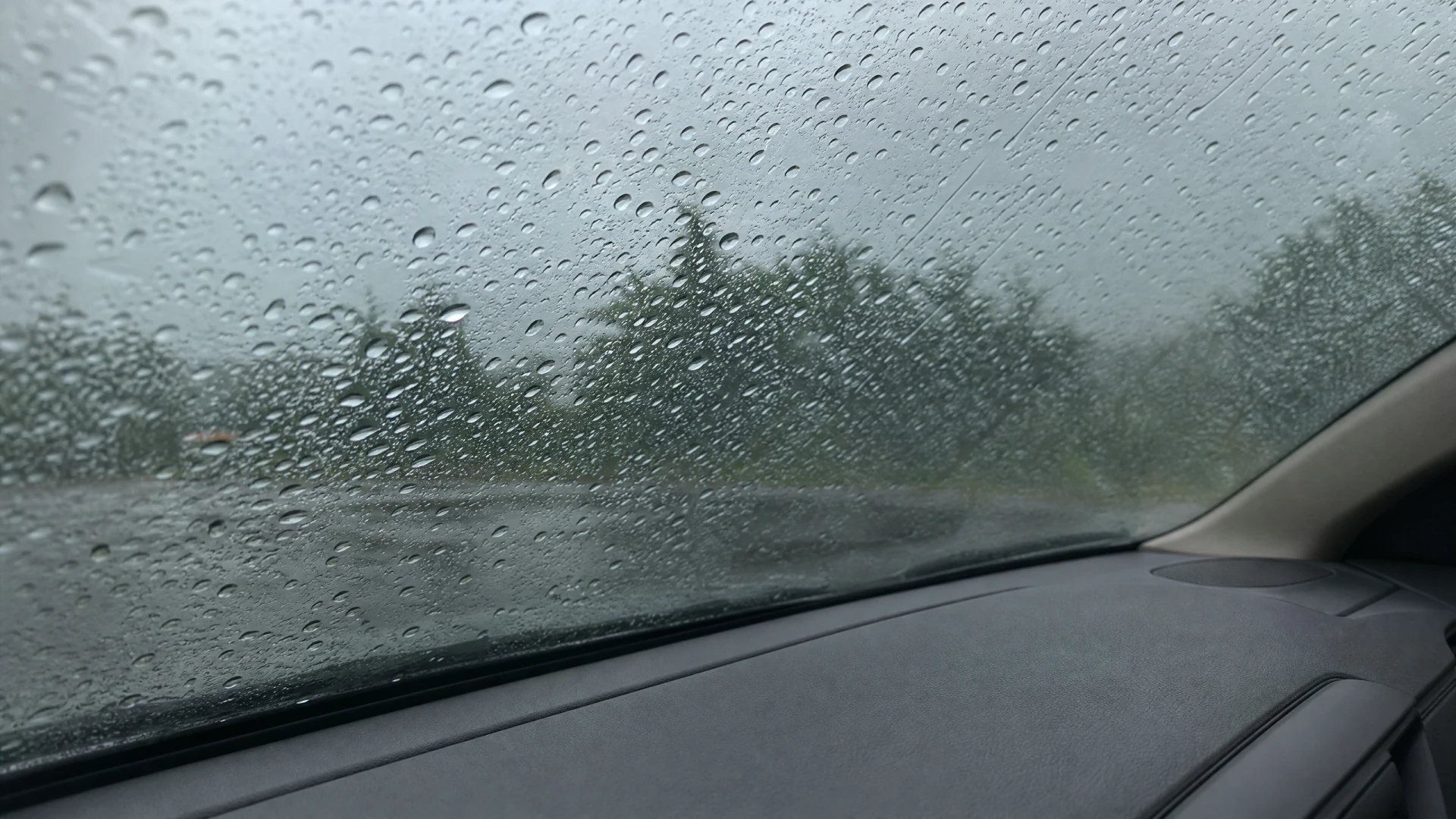
Someone's car was declared a total loss after flood damage. The insurer valued the car before the damage at a certain amount, then subtracted a salvage value based on recent auction data for flood-damaged vehicles of the same model. The driver thought the salvage number was too low, since the engine had barely gotten wet and still ran. They asked the insurer for the comparable auction listings the number was based on, which most insurers will provide if you ask.
Looking at those listings, the driver found the comparisons were mostly cars with worse interior damage than theirs. They brought this to the insurer along with photos showing the engine bay and interior were largely dry. The insurer adjusted the salvage estimate upward, which increased the payout. The lesson here wasn't that insurers lowball on purpose, it's that the comparison set they start with isn't always a perfect match, and asking to see it is the only way to know.

Whether you push back on the salvage number
If you do
You ask the insurer for the comparable sales their estimate is based on, and you compare your car's actual condition against those comps. If your car is in better shape than the comparisons, you point that out with photos or a mechanic's note. This can raise your payout, and it costs you only time.
If you don't
You accept whatever salvage value the insurer lists without checking it against anything. If their comparison set happened to include wrecks in worse condition than yours, you leave money on the table. The payout still gets processed either way, just possibly for less than it should be.
Now that you know how salvage value works, compare quotes to see what insuring this car would cost.

What actually moves the salvage number
- Auction data for similar wrecks Insurers pull recent sale prices for damaged cars like yours. Ask to see the comparisons used, since you can challenge them if your car's damage is less severe.
- Engine and transmission shape These parts hold the most resale value even in a wreck. If yours are undamaged, make sure that's documented and shared with the adjuster.
- Make and model demand Popular models attract more rebuilders and part buyers, which raises salvage value. Less common models often have lower demand and a lower number.
- Your state's title rules Some states set rules for how salvage value interacts with total loss thresholds. Check your state's specific process before you assume the payout is final.
- Whether you keep the car If you keep the wreck, the salvage value is still deducted from your payout, but you own the car afterward. Weigh that against what it would cost to replace it.
The salvage number is an estimate built from comparisons, not a fixed fact, so you can question it.
Can I negotiate the salvage value on my totaled car?
Yes, you can negotiate it by asking for the comparable sales the insurer used and showing where your car's actual condition differs. Insurers base their number on recent auction data for similar wrecks, and that data set isn't always a perfect match for your specific damage. Bring photos, repair estimates, or a mechanic's inspection showing your car is in better shape than the comparisons. What changes the outcome is documentation, not just disagreement, so gather evidence before you call.
Who buys salvage cars at auction?
Mostly rebuilders, parts dealers, and exporters buy salvage cars at auction. Rebuilders repair the car and resell it with a rebuilt title, parts dealers strip it for components, and exporters often ship wrecks to markets where repair standards or import rules differ. Which buyer shows up and how much they bid depends on the car's make, model, and how much usable value remains. This is exactly the buyer pool the insurer is estimating when they set your salvage value, so it directly shapes your payout.
Do I get the salvage value if I keep my totaled car?
No, you don't get it, the insurer subtracts it from your payout instead of adding it. Keeping the car means you're buying the wreck back from the insurer at that salvage price, deducted from what they'd otherwise owe you. You end up with less cash but you keep the vehicle, which only makes sense if the car is worth more to you running or repaired than the salvage number suggests. Check your state's rules too, since some require an inspection before you can retitle it.