Will Insurance Cover a Hydrolocked Engine
Coverage depends on how the water got into the engine, not on the fact that the engine hydrolocked.
A driveway flood during a storm
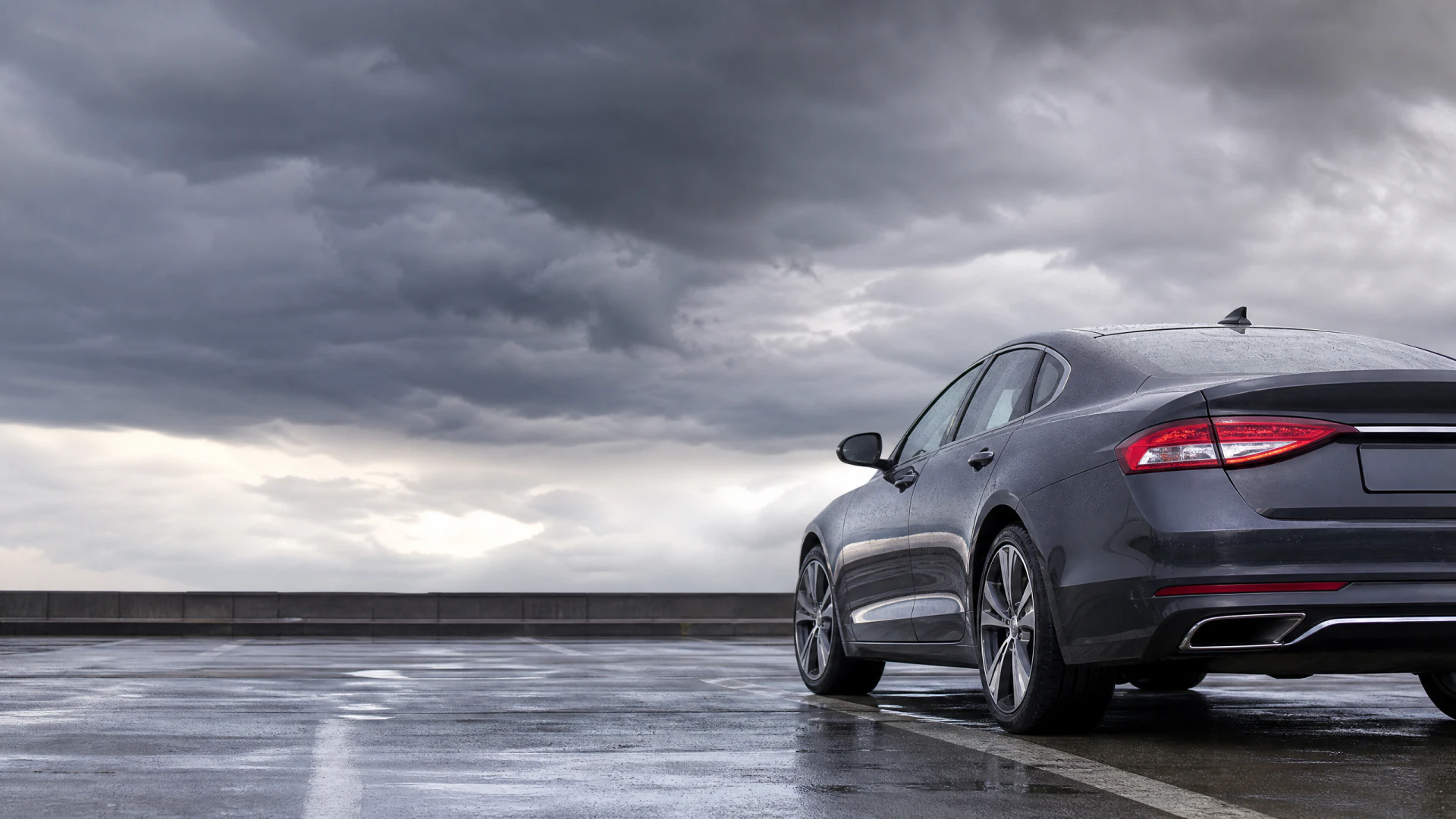
A driver parked their car in a low driveway overnight during a heavy storm. Water rose faster than expected and the car sat partly submerged for hours before they noticed. When they tried to start it the next morning, the engine locked up immediately and a shop confirmed water had been pulled into the cylinders.
They filed a claim under their comprehensive coverage, since the damage came from a weather event and not from driving. The insurer sent an adjuster to inspect the car, confirmed there was no sign the driver had tried to start or drive it after the flooding began, and approved the claim. The payout was based on the car's value before the flood, minus the deductible, and the insurer arranged for the car to be towed rather than driven anywhere.
Does it matter if I tried to restart the car after it stalled in water?
Yes, and it can be the difference between a paid claim and a denied one. If you stall in water and the engine won't start, that's usually treated as flood damage from the event itself. But if you restart it, or keep driving once you know water is involved, the damage that follows can be treated as a mechanical failure caused by your actions rather than the storm or flood.
Insurers distinguish between damage from the event and damage from what happened after it. A stalled engine sitting in water is one claim. A driver who restarts a flooded engine and pushes it until it seizes is a different story, and adjusters are trained to look for that distinction when they inspect the vehicle.

Whether you stop driving the moment water enters the engine
If you do
Stopping right away preserves the claim as flood or storm damage, which comprehensive coverage is built to handle. The insurer sees a car damaged by an event outside your control. Towing instead of restarting protects the evidence an adjuster needs to approve payment without a dispute.
If you don't
Restarting or continuing to drive after water enters the engine can turn a covered flood claim into a disputed mechanical failure. Insurers may argue the damage resulted from your decision to keep driving, not from the water itself. That argument can lead to a reduced payout or an outright denial.
Now that you know what your policy needs to cover, compare quotes to find coverage that won't leave you guessing.
What decides whether a hydrolocked engine gets paid for
- Comprehensive coverage Hydrolocking from flooding, storms, or standing water is typically a comprehensive claim, not a collision claim. Check that your policy includes comprehensive coverage before you assume you're protected.
- Cause of the water A sudden flood or storm is treated differently than a slow leak from a cracked hose or worn gasket. Ask your insurer how they distinguish sudden events from gradual mechanical problems.
- What you did after Stalling and stopping is different from restarting and continuing to drive through water. Turn the car off and call for a tow instead of trying to start it again.
- Proof of the event Photos, weather reports, and witness accounts help establish that water caused the damage. Document the scene before the car is moved or repaired.
- Your car's value Payouts are based on your car's value before the damage, not the cost of a replacement engine. Know your car's approximate value so a settlement offer doesn't catch you off guard.

Does liability-only insurance cover a hydrolocked engine?
No, liability-only coverage does not pay for damage to your own car, including a hydrolocked engine. Liability only covers damage or injury you cause to others. If you only carry liability, a hydrolocked engine is an out-of-pocket repair or replacement regardless of what caused the water to get in. Check your declarations page to confirm whether comprehensive coverage is included, since that's the piece that applies here.
Will my insurance drop me after a hydrolocked engine claim?
It depends on the insurer and the circumstances, so check your policy's claims history terms. A single weather-related claim is usually treated as something outside your control and is less likely to affect your standing. Repeated claims, or a claim where the insurer suspects the water damage resulted from how you drove the car, are more likely to affect renewal or rates. Ask your insurer directly how this type of claim is weighed.
Is a hydrolocked engine considered a total loss?
It can be, if the cost to repair or replace the engine is close to or more than the car's value. Insurers compare repair costs against the car's pre-damage value, and engine replacement is often expensive enough to trigger that comparison. Whether it's declared a total loss depends on your car's age, value, and the shop's repair estimate, so ask the adjuster how they're calculating it before you agree to anything.