Why Wont Insurance Cover Flood Damage on My Car
Insurance won't cover flood damage if you don't carry comprehensive coverage, because flooding falls under that part of the policy alone.
What decides whether flooding is covered
- Comprehensive coverage This is the only part of a policy that pays for flood damage. If you only carry liability, or liability plus collision, flooding isn't covered at all.
- Collision doesn't apply Collision covers hitting something, not water rising around a car. Many people assume it covers everything except liability, and that mistake shows up at the worst time.
- State flood programs Separate flood insurance programs usually cover homes, not vehicles. Check your state's rules so you're not relying on a program that was never meant for cars.
- Timing of the claim Damage has to happen while the policy is active with comprehensive in place. Adding comprehensive after a flood is forecast or already happening won't help this claim.
- Payout depends on value Even with comprehensive, the insurer pays what the car was worth right before the flood. If the car was older or already worth little, expect a payout that reflects that.
A driver finds out after the water recedes
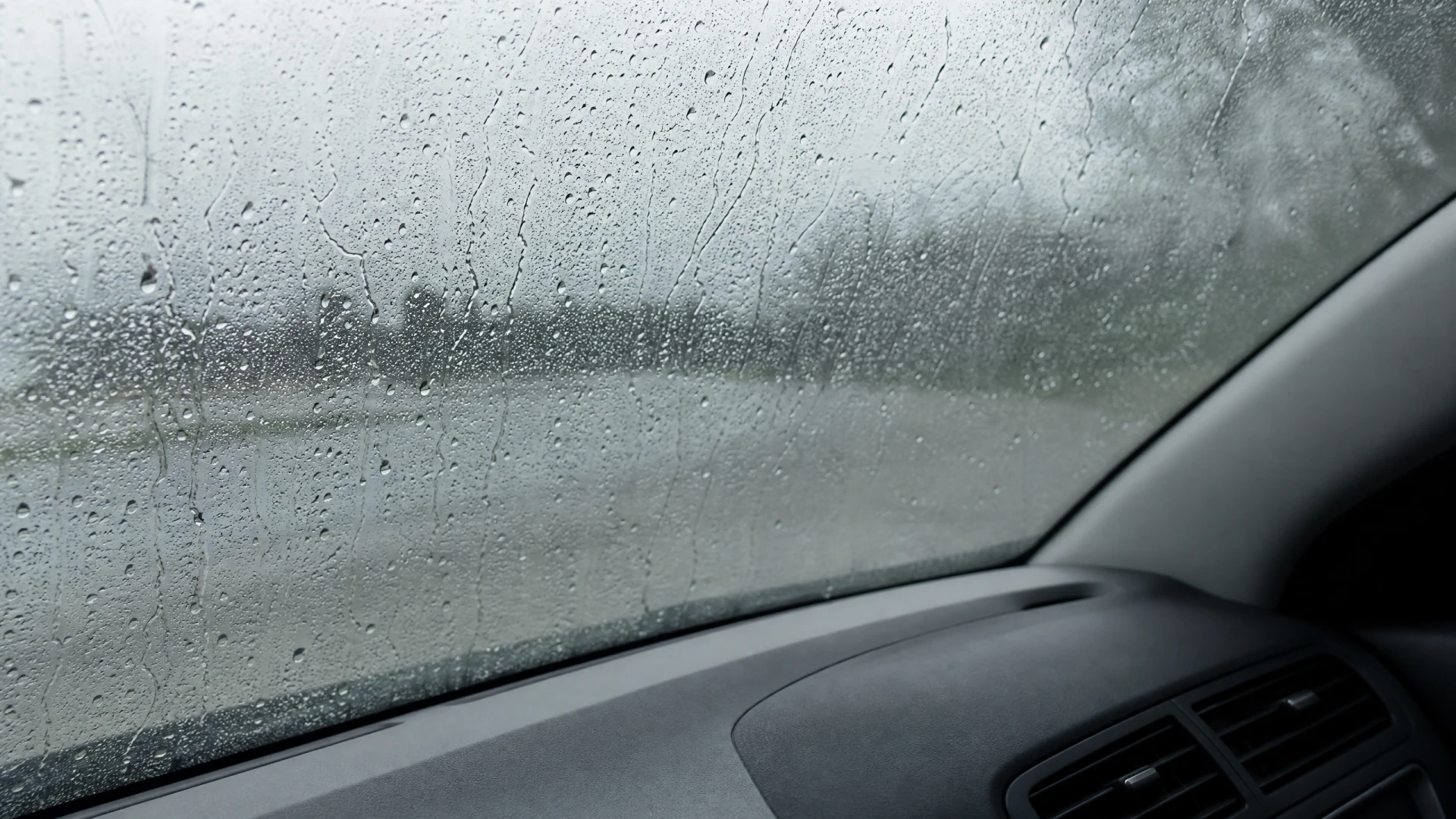
A driver named their car as their only asset worth insuring and kept liability coverage to meet the state minimum, figuring collision and comprehensive were extra cost they didn't need. When a storm flooded their street overnight, water rose into the cabin and the engine. They called their insurer expecting help and learned that liability only pays for damage you cause to others, never your own car.
The adjuster explained that without comprehensive coverage, flood damage isn't covered under any part of the policy. The driver had to pay for repairs out of pocket, and the car's electrical problems kept surfacing for months afterward. The experience changed how they insured their next car. They added comprehensive before the following storm season, understanding that the small ongoing cost was the only thing standing between them and a repeat of that first flood.

Now that you know comprehensive coverage is what protects against flooding, compare quotes that include it.

Whether you add comprehensive coverage
If you do
If your car floods, you file a claim and the insurer pays out based on the car's value right before the damage, minus your deductible. You'll need to show the damage and may need an inspection, but the cost of repair or replacement falls mostly on the insurer.
If you don't
If your car floods, you're on your own. Liability and collision won't pay for water damage, so repairs, towing, and any replacement cost come entirely out of your pocket, and a badly flooded car may not be worth repairing at all.
Does comprehensive coverage cost a lot more to add?
It depends on your insurer, your car's value, and where you live, so there's no single answer. It's often priced separately from collision, so ask for a breakdown of each coverage rather than one combined number. Compare it against what you'd pay out of pocket for a flooded engine or electrical system before deciding it's not worth it.
Can I still insure a car after it was flooded once?
Yes, but the car may carry a branded title once it's been declared a flood loss, which changes how insurers treat it going forward. Some insurers limit coverage on branded-title cars or price it differently, so ask directly how a past flood title affects your options. A clean repair history and inspection can make this easier.
Will my insurer total my car after flood damage?
It depends on repair cost compared to the car's value right before the flood, and insurers use this comparison to decide. If repairs cost more than that value, they'll usually total it rather than pay for repairs. Ask your insurer directly how they calculate that value, since it determines both the total decision and your payout.

The coverage that stops liability claims from ruining you isn't what protects your own car from weather.