What to Do Immediately After Driving Through a Deep Puddle
Stop driving as soon as it's safe, don't restart a stalled engine, and get the car checked before water damage turns into something worse.

The first few minutes decide how much this costs you
- Stop, don't restart If the engine stalls in the puddle, don't try to start it again. Water in the engine can wreck it the moment you turn the key, so wait for a tow instead.
- Check for water inside Look at the floor, seats, and trunk for dampness. Wet carpet or a musty smell later means water got in, even if the drive felt fine at the time.
- Listen and smell before moving A knocking sound, white smoke, or a burning smell means stop again right away. These are signs water reached the engine or electrical system.
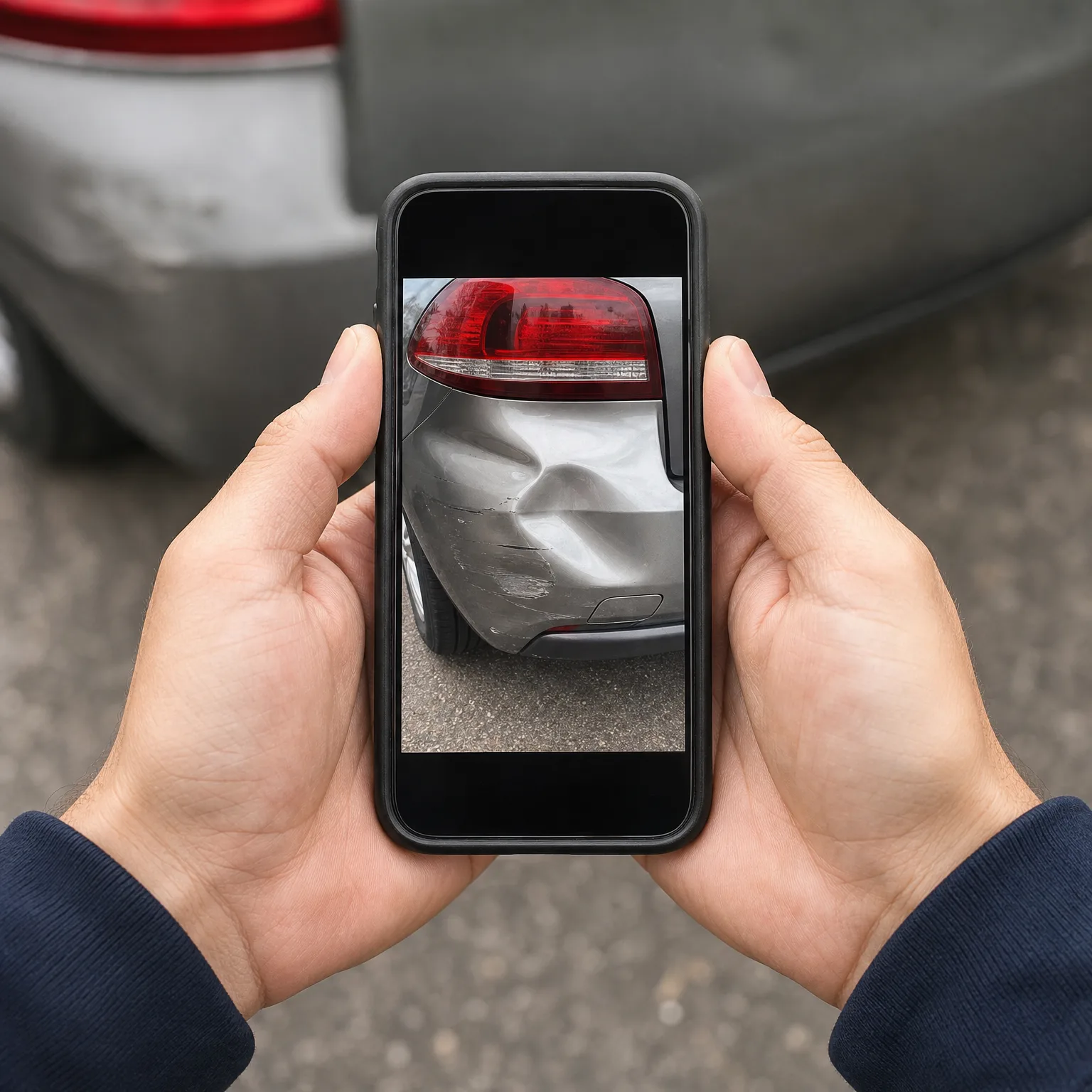
- Photograph everything now Take pictures of the puddle, your car, and any damage before you leave. This matters later if you file a claim and need to show what happened.
- Call your insurer that day Report it even if the car seems fine. Some damage from water takes days to show up, and reporting early protects your claim either way.
The short version
Stop the car if it stalls, don't restart it, and check for water inside before you drive further. The real risk is damage you can't see yet, in the engine or electronics. Call your insurer the same day, even if nothing seems wrong, so you're covered if problems show up later.
Driving through standing water after a storm
You're coming home after heavy rain and the road ahead is covered in water, deeper than it looked from a distance. Halfway through, the engine sputters and dies. You don't try to restart it. Instead you turn on your hazards, call for a tow, and wait inside the car until help arrives, since getting out into moving water is its own risk.
Once the car is towed, you check the floor mats and find them soaked on the driver's side. You take photos of the water level outside and the wet carpet inside, then call your insurer before the day is over. The adjuster tells you this kind of damage often doesn't show up right away, sometimes a smell or an electrical glitch appears days later, so the early report and photos matter. The car goes to a shop for inspection, and because you reported it immediately and didn't try to restart the engine, the claim moves through without a dispute over when the damage happened.
Once you've checked the car and called your insurer, compare quotes to make sure your coverage matches the risk.

Whether you report it the same day
If you do
Your insurer has a timestamp and your photos on file before any hidden damage shows up. If an electrical issue or smell appears later, it connects clearly to this event, and your claim moves faster because there's no question about when it happened.
If you don't
If damage appears days later, you're left explaining why you didn't report it sooner. The insurer may ask for proof it's related to the puddle and not something else, and that gap can slow down or complicate the claim.
Will my insurance cover water damage from driving through a puddle?
It depends on the kind of coverage you have. Comprehensive coverage typically handles water damage from driving through standing water, since insurers treat it similarly to flood or weather damage rather than a collision. If you only carry liability coverage, this kind of damage usually isn't covered at all.
What the insurer actually pays also depends on how they classify the cause. If they determine the water damage happened because you drove into it despite visible warning signs, some policies may reduce or dispute the payout. Check your policy's language around water damage and comprehensive coverage specifically, since wording varies by insurer. If you're unsure, call and ask before you need to file a claim, not after.