What to Do if Car Repairs Exceed Its Value
If repairs cost more than your car is worth, your insurer will likely total it and pay you its value instead of fixing it.

What happens once repair costs pass the car's value
- The insurer runs the math Insurers compare repair cost to the car's actual cash value, not what you paid for it. Once repairs cross that line, they'll usually declare it a total loss instead of fixing it.
- You get the value, not repairs The payout is based on what the car was worth right before the damage, minus your deductible. Pull comparable listings for your make, model, and condition so you can push back if their number looks low.
- You can still keep the car You can ask to keep the vehicle and take a reduced payout instead of handing it over. Check what title brand it gets afterward, since this affects insuring and reselling it later.
- You can challenge the valuation If you think the offer is too low, you can submit your own comparables or request a reappraisal. Do this before accepting any settlement, since signing often closes the door on disputes.
- Your loan balance matters If you owe more on the car than the payout, you're responsible for the difference unless you carry gap coverage. Check your loan balance against the estimated payout before deciding how to respond.
Should I fight the insurer's total loss decision?
Sometimes, but only if you have a real reason to think the number is wrong. Insurers use software and local sales data to estimate value, and that process can miss things like recent upgrades, low mileage, or a particularly clean maintenance record. If you have documentation for any of that, it's worth presenting.
What you shouldn't fight is the decision to total the car itself, since that's a straightforward comparison between repair cost and value, and insurers have little incentive to total a car they could profitably fix. Your leverage is in the valuation, not the method. Gather comparable sale listings, get a second opinion from an independent appraiser if the gap is large, and submit everything in writing. If the insurer won't budge and the difference is significant, your state may have a dispute or appraisal process you can use instead of accepting the first number.

Once you know whether you're keeping, replacing, or walking away from this car, compare quotes for what comes next.
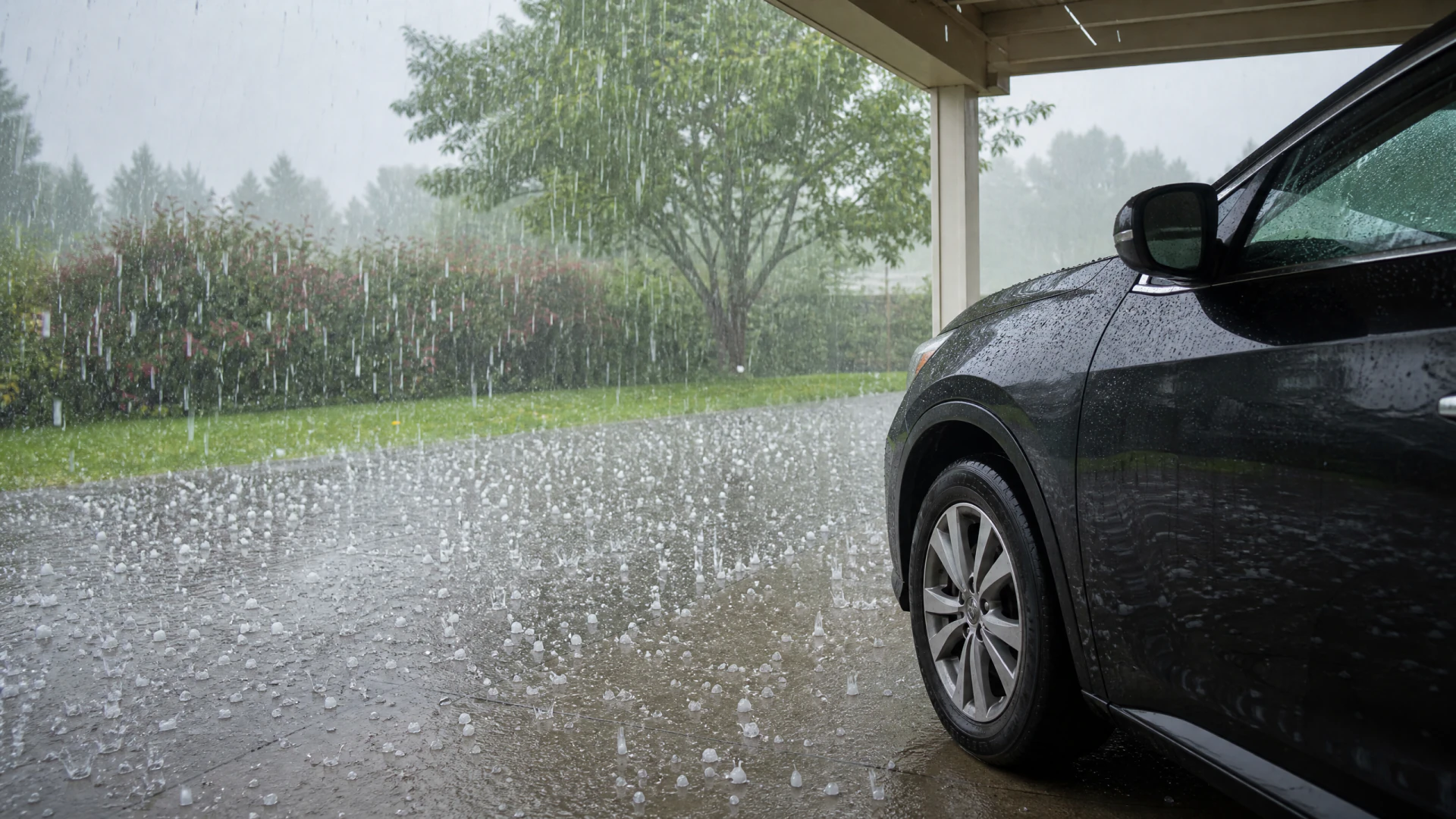
A ten-year-old sedan after a flooded intersection
A reader's sedan stalled out in a flooded intersection and the engine was damaged beyond a simple repair. The shop estimate came back higher than what similar sedans in the area were selling for, so the insurer declared it a total loss rather than approving the repair.
The reader pulled up a handful of recent sales for the same model, year, and mileage in their area and found the insurer's number sat below that range. They submitted the listings along with service records showing a new transmission a few months earlier. The insurer revised the offer upward to reflect it. The reader also still owed money on the car, and since the new number cleared the loan balance with a little left over, they took the payout and put it toward a replacement rather than asking to keep the wreck.
Why insurers won't pay to fix a car worth less than the repair
Insurance is built around compensating you for a loss, not funding any repair regardless of cost. If fixing your car would cost more than simply handing you its value, the insurer has no reason to choose the more expensive option. This is true everywhere, though the exact point where repair cost outweighs value and triggers a total loss can shift depending on your state's rules and the insurer's own threshold.
The value you're paid is meant to put you back where you were right before the damage, not where you'd like to be. That's why it's based on comparable cars in similar condition rather than what you originally paid or what you'd need to buy something newer. If your car had higher mileage or existing wear, that gets reflected in a lower number, and there's no insurer obligation to upgrade you.
When you owe more than the payout, that gap exists because loans and leases are structured around the price you paid, not the car's declining value over time. Insurance doesn't account for that unless you've separately purchased coverage for it. This is one of the clearest cases where the math can work against you through no fault of your own, and it's worth checking whether your policy or loan agreement includes anything that closes that gap.
Keeping the car after a total loss is allowed almost everywhere, but what it does to the title varies by state. Some states brand it salvage immediately, others use a different label if it's later repaired and reinspected, and that label follows the car through resale and future insurance decisions.
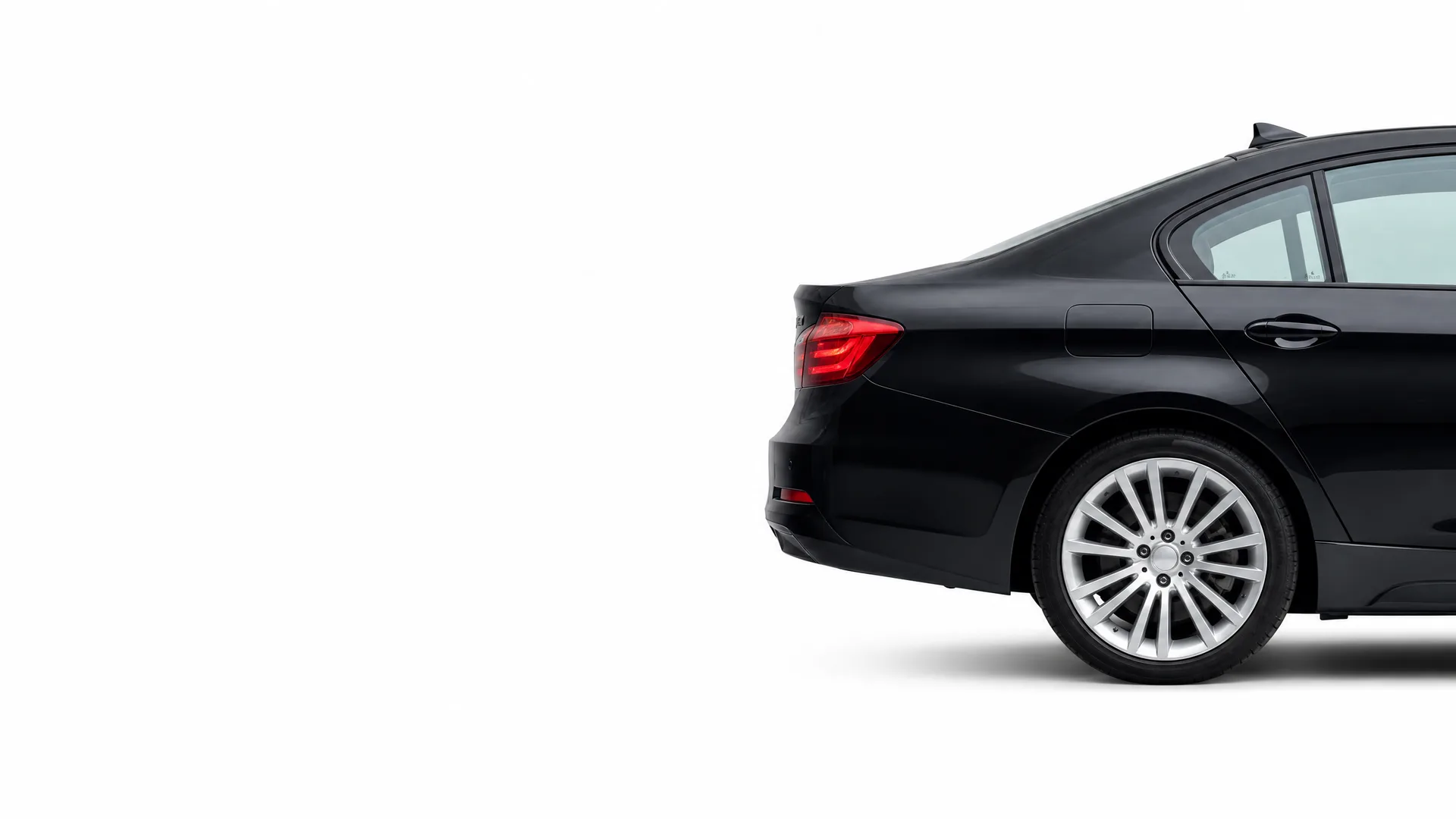
The number that matters isn't what you paid for the car, it's what similar cars are selling for right now.