What to Do After a Car Is Flooded
Stop driving it, document everything before you touch it, and call your insurer before you try to dry it out or start it again.
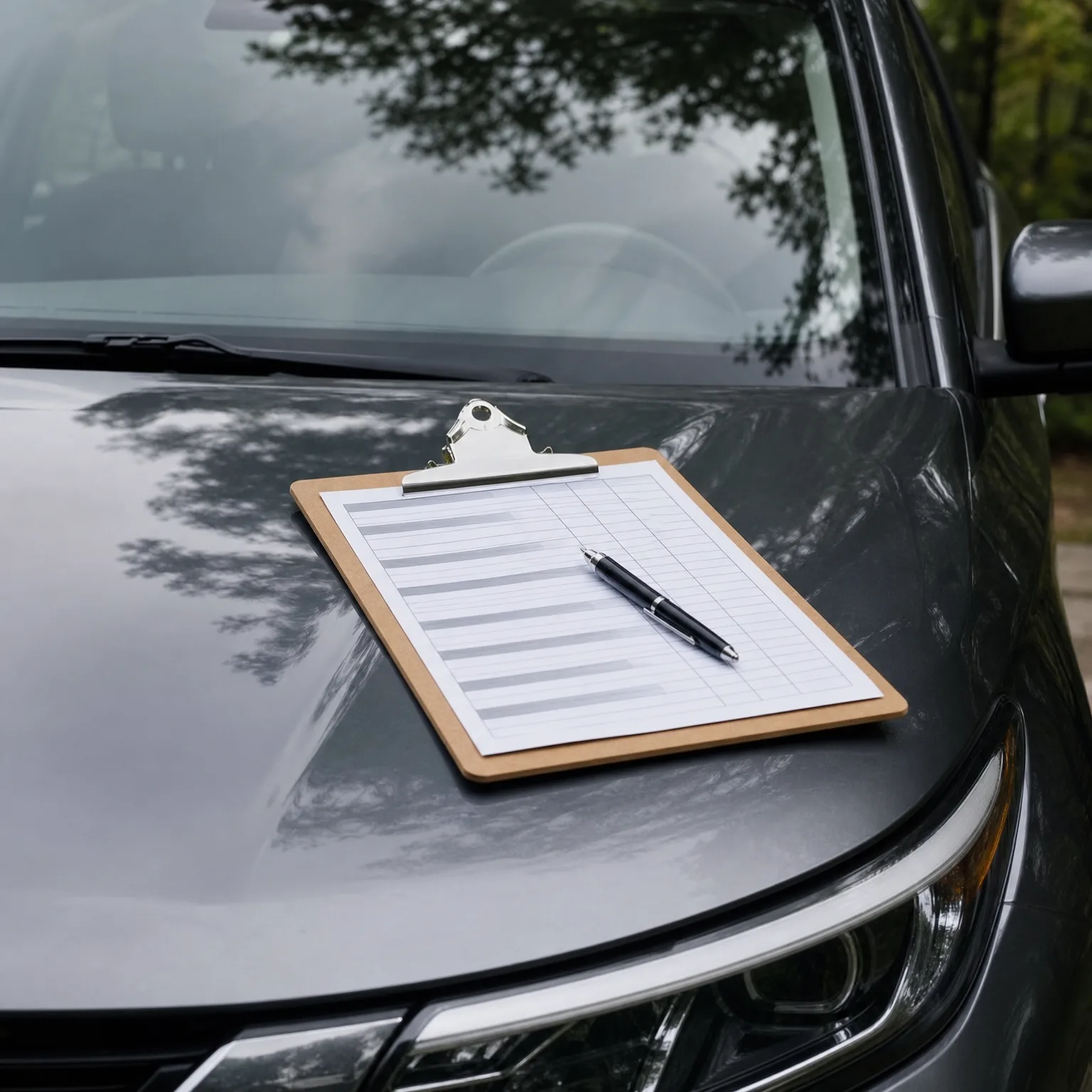
Do these things in order, right away
- Don't start the engine Water in the engine or electrical system can cause serious damage the moment you turn the key. Leave it off and have it towed if you need it moved.
- Photograph everything first Take pictures of the water line on the car, the interior, the engine bay, and the surrounding area before you move or clean anything. This is your evidence for the claim.
- Call your insurer that day Flood damage is covered under comprehensive coverage, not collision, so check which one you have before you call. The sooner you report it, the sooner an adjuster can see the car in its actual condition.
- Save towing receipts If you pay out of pocket for a tow or temporary storage, save every receipt. Many policies reimburse these costs as part of the claim.
- Don't accept a quick cash offer Some buyers approach flooded cars directly to buy them cheap before you've filed a claim. Let the claim process run first so you know the real payout before deciding anything.
The short version
Don't start the car, photograph the damage, and call your insurer the same day to report it under comprehensive coverage. Acting fast protects both your safety and your payout, since flood damage worsens quickly and insurers need to see the real condition of the car. After that, your main job is documentation, not repair.
A driveway flood after a storm
A reader's car sat in standing water overnight after heavy rain flooded their street. In the morning they saw water marks on the doors but the car looked driveable, so they almost started it to move it out of the way. Instead they called a tow truck, photographed the water line and the wet carpet, and left the keys alone.
They called their insurer that afternoon and learned they had comprehensive coverage, which included flood damage. An adjuster inspected the car two days later and found water had reached the electrical components under the dash, which wasn't obvious from the outside. Because the car hadn't been started and the damage was documented immediately, the claim moved without dispute. The payout reflected the car's value before the flood, and the reader used it toward a replacement rather than sinking money into repairs that might not have held.
Once your claim is filed and you know its outcome, compare quotes for insuring or replacing the car.

Why speed and documentation matter more than anything else
Flood damage behaves differently than crash damage. Water spreads into places you can't see, corrodes electrical systems over hours and days, and gets worse the longer it sits. That's why starting the engine or waiting to report the damage can turn a repairable car into a total loss, and why insurers care so much about how quickly you acted.
Comprehensive coverage is what pays for flood damage, not collision coverage, because the cause is weather or water rather than an impact with another vehicle or object. If you only carry collision coverage, flood damage likely isn't covered at all, so checking your policy type matters before you assume anything will be paid.
Adjusters rely on the condition of the car at the time they see it to determine the payout. If you've already dried it out, driven it, or tried to fix small things yourself, it becomes harder for them to assess what actually happened, and that can work against you. Photos taken immediately, before cleanup, give you the clearest record of the damage and protect you if there's any dispute later.
How the claim is handled, and whether the car is declared a total loss or repairable, depends on the insurer's own thresholds and sometimes on state rules about flood-damaged titles. Some states require special disclosure or inspection before a flooded car can be resold, so what happens after the claim can vary even when the claim itself is handled the same way everywhere.

The car's condition when you report it decides your payout, so protect that condition before anything else.