What Does Owner Retained Salvage Mean
It means the insurer paid you for a total loss but let you keep the car, with a salvage title and a smaller check.
What owner retained salvage actually changes for you
- Your payout shrinks The insurer subtracts the car's salvage value from your claim because you're keeping the wreck instead of handing it over. Ask for that salvage value figure in writing before you agree.
- The title gets branded Your state will issue a salvage title once the insurer reports the total loss. That brand follows the car permanently and shows up in any title history check.
- You must fix it to drive it A salvage title usually isn't legal to drive on public roads until it passes inspection and gets rebuilt status. Check your state's process before you assume you can just drive it home.
- Insuring it gets harder Some insurers won't write full coverage on a salvage or rebuilt title, and liability-only may be your only option until it's rebuilt. Call around before you commit to keeping the car.
- Resale value drops hard Buyers and some lenders treat branded titles as worth noticeably less, regardless of repair quality. Factor that into whether keeping the car is worth it financially.
A driver who kept her car after a flood claim
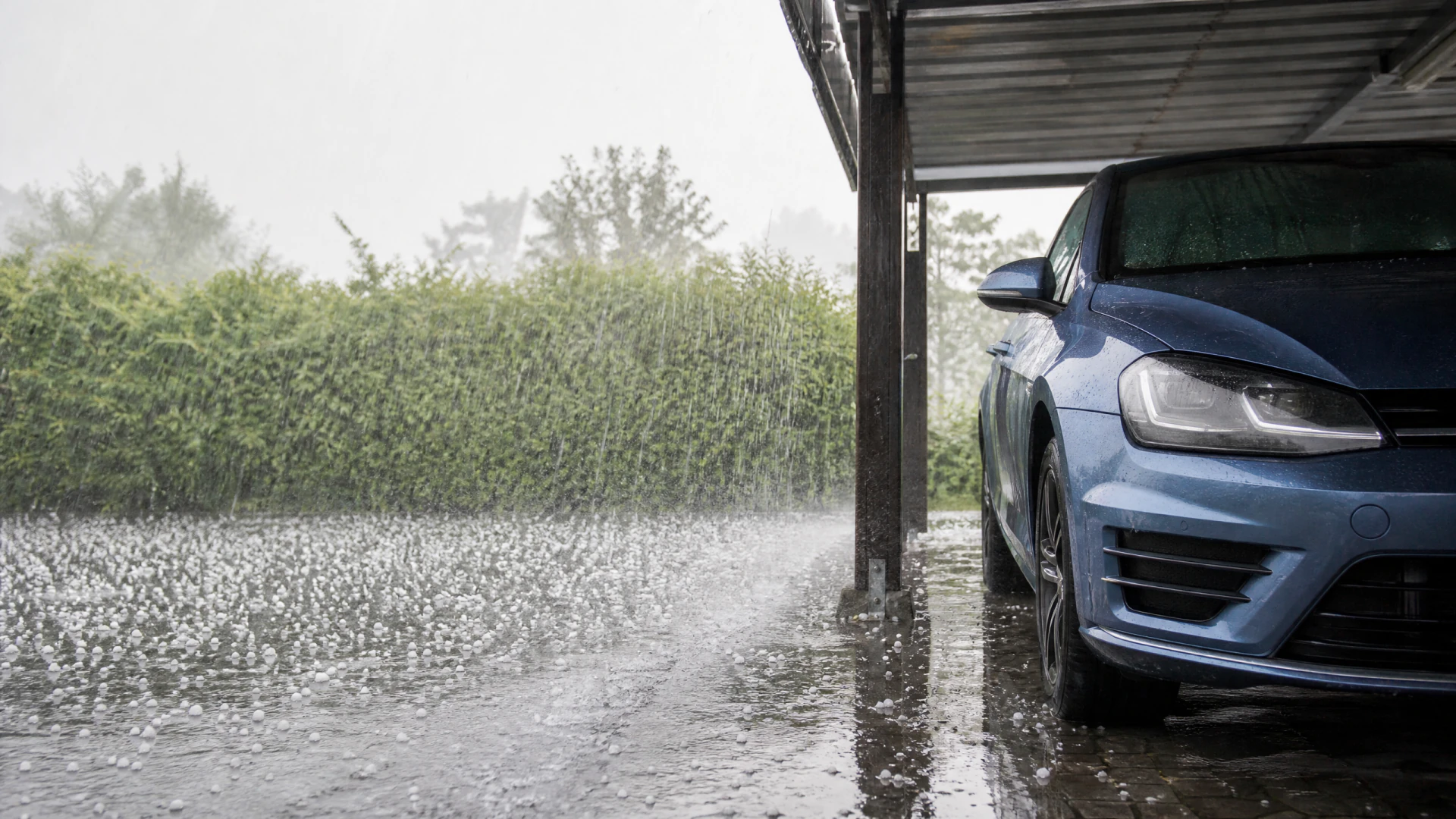
A reader's car sat in floodwater during a storm and her insurer declared it a total loss. The payout offer looked reasonable, but she loved the car and a mechanic friend said the engine and electronics could likely be saved. She asked the insurer about owner retained salvage and learned she could keep the car for a reduced settlement, with the difference being roughly what the insurer figured they'd get selling it to a salvage buyer.
She took the reduced payout, got the salvage title issued, and spent several weeks and a decent chunk of money on repairs before it passed her state's rebuilt inspection. Once rebuilt, she had to shop specifically for insurers willing to write full coverage on a branded title, and found her options were narrower and the quotes higher than before the flood. She kept driving the car for years afterward, but she went in knowing resale would always be limited and that any future claim would pay out less than a clean title car's would.
Keeping the car isn't really about today's payout, it's about what the title costs you every day after.
Once you know whether you're keeping a salvage title car, compare quotes from insurers that cover branded titles.

Deciding whether to keep the car as owner retained salvage
If you do
You get a smaller settlement check now but keep the car itself. You'll need to get it inspected and retitled as rebuilt before driving it legally, and insurance shopping afterward will take more calls since not every insurer covers salvage or rebuilt titles.
If you don't
You get the full settlement and hand the car over to the insurer. No inspections, no retitling, no narrowed insurance search. You walk away with cash and a clean record, but you lose the car and any chance to recover its sentimental or practical value.
Why insurers pay you less when you keep the car
When an insurer totals your car, they normally take ownership of it and sell it to a salvage yard or auction to recoup some money. That recovered amount is baked into how they calculate your settlement. When you choose to keep the car instead, you're taking the place of that salvage buyer, so the insurer subtracts roughly what they would have gotten from selling it and pays you the rest.
The salvage title exists because state motor vehicle agencies want future buyers to know a car was declared a total loss at some point. It's a permanent record attached to the vehicle identification number, not something that fades after repairs. Once you repair the car and it passes your state's inspection, it typically becomes a rebuilt title rather than salvage, which is viewed slightly better by insurers and buyers but still carries the branded history.
Insurers treat branded titles cautiously because the car's true condition is harder to verify than a normal used car. A rebuilt title could mean a flood car with hidden electrical problems or a car with a new frame and nothing wrong at all, and insurers can't always tell which from paperwork alone. That uncertainty is why some insurers decline full coverage entirely and others charge more or require their own inspection first.
Where this plays out differently is based on how bad the original damage was and how transparent the repair records are. A car that was totaled on a technicality, like aging and low in value rather than seriously damaged, often insures more easily than one with major structural or flood damage, even though both carry the same salvage or rebuilt label. Keeping thorough repair receipts and inspection paperwork makes the difference when you're shopping for coverage later.
Can I get full coverage on a salvage or rebuilt title car?
Sometimes, but it depends entirely on the insurer and the car's history, not on any fixed rule. Many mainstream insurers limit salvage and rebuilt titles to liability only, since they don't want to insure a car whose prior damage they can't fully verify. Others will write full coverage once the car has passed a rebuilt inspection and you can show repair documentation.
Your best move is to call insurers directly and ask about their specific policy on branded titles before you assume anything. Have your rebuilt title paperwork and repair receipts ready, since insurers that do offer coverage will often want to see them. If you get full coverage, expect the payout after a future claim to be based on the car's reduced salvage value, not what a clean title version would be worth.