How to Prove Water Damage to Your Car for a Claim
You prove it with photos, timestamps, and records showing when the water hit and what it touched, gathered before repairs start.
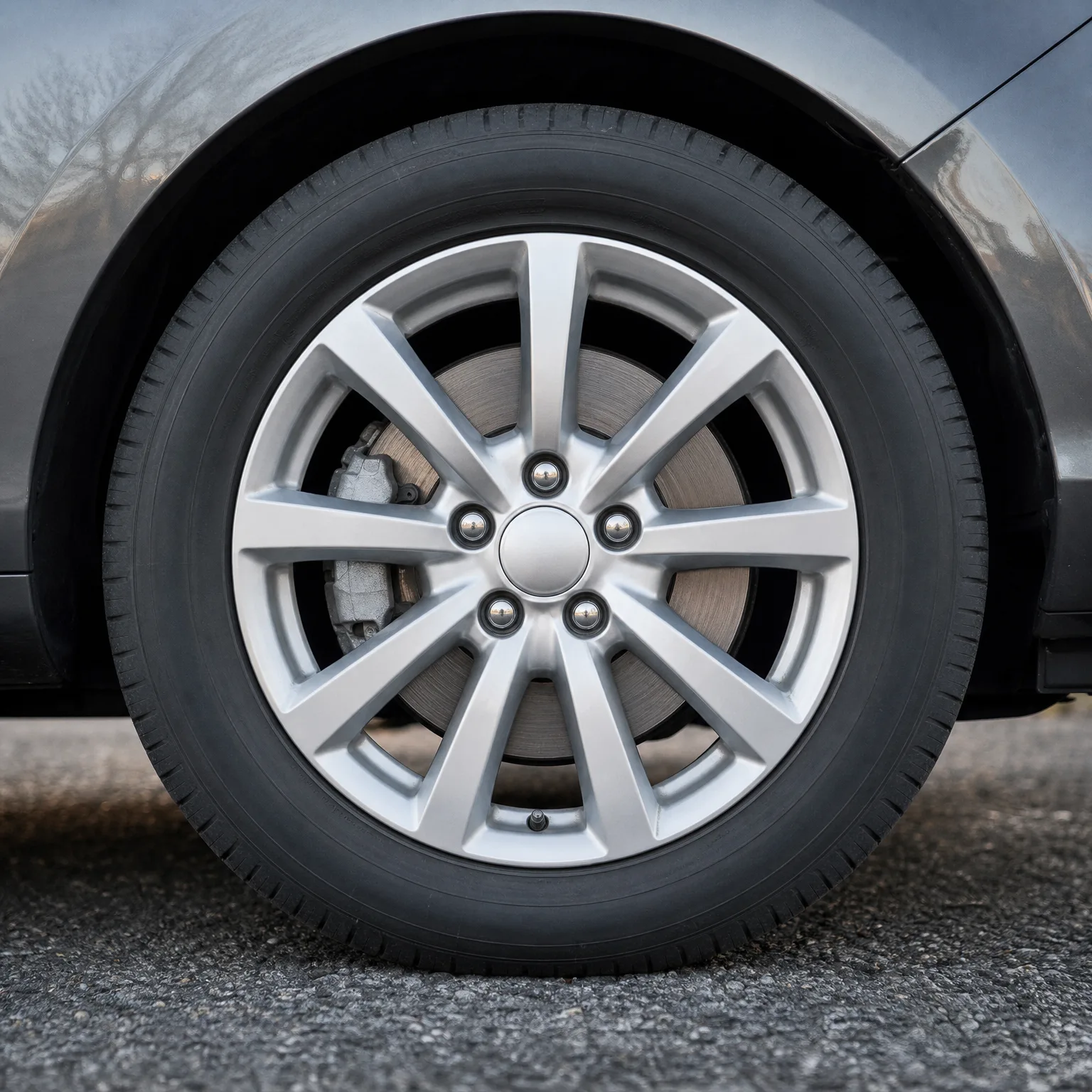
A driveway flood during an overnight storm
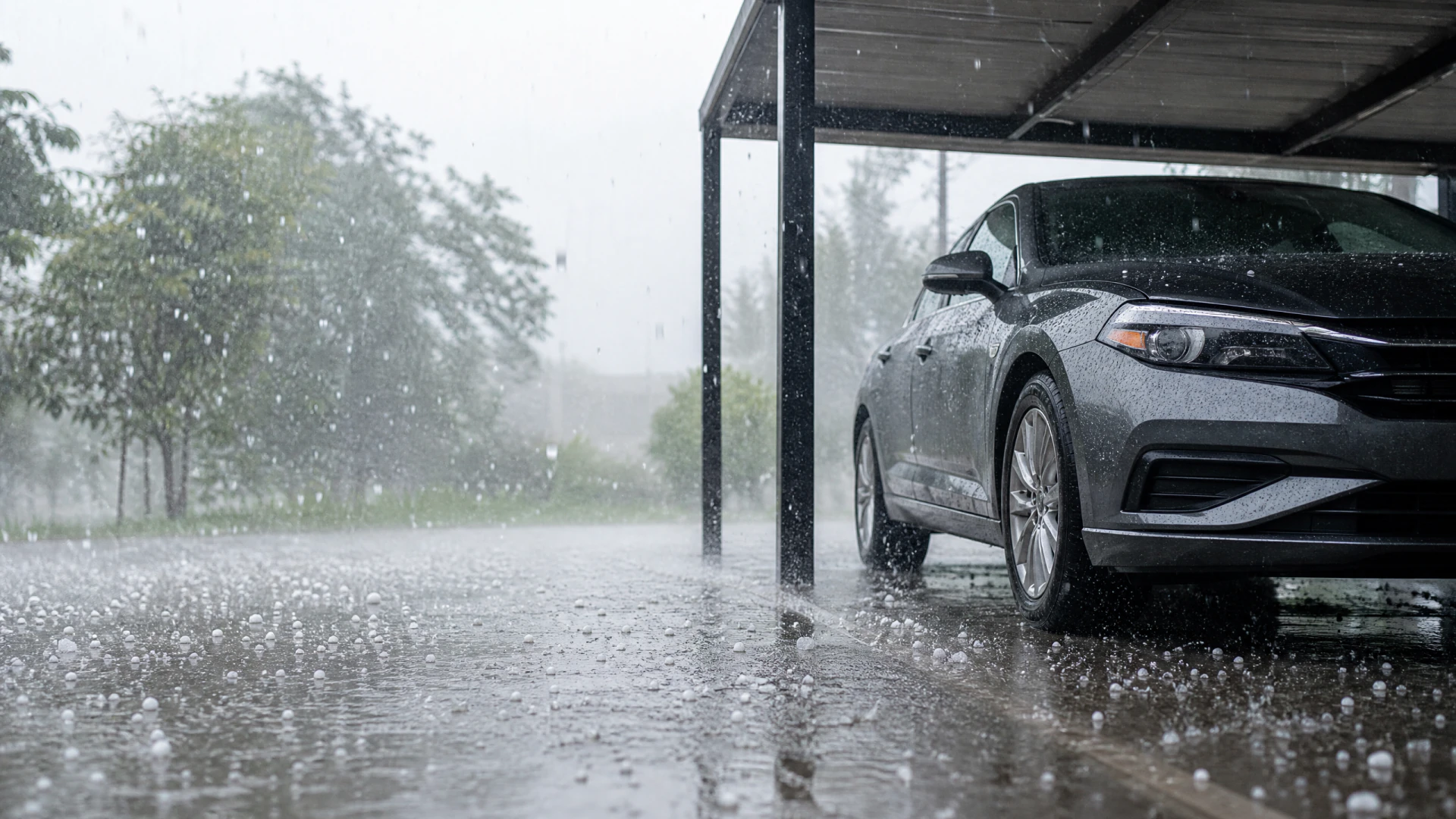
A reader's car sat in a low driveway during a storm that flooded the street overnight. Water reached partway up the doors. In the morning they found the carpet soaked and the engine wouldn't start. Before touching anything, they took photos of the water line on the car, the flooded street, and the interior still wet. They also pulled up a weather alert for that night and saved it.
They called their insurer the same day and had the car towed rather than trying to start it again, since a mechanic later told them running a flooded engine can cause damage that didn't exist before. The adjuster who inspected it saw the original water line in the photos, matched it to the storm record, and approved the claim without disputing what caused it. The payout matched comprehensive coverage, which is the part of a policy that handles flooding.
What if the insurer says the damage existed before the flood?
This happens when there's no clear record of the car's condition right before the water damage, so the insurer has room to argue the problem was already there. Your strongest defense is timing. Photos with timestamps, a weather report for your location, and a towing or repair receipt dated right after the event all pin the damage to that specific day.
If you kept any past service records showing the car ran fine beforehand, those help too. If the insurer still pushes back, ask for their reasoning in writing and consider getting an independent inspection, since a second opinion from a mechanic who documents the water's path through the car can directly counter their claim.

The claim is won or lost by what you document in the first hours, not by what a mechanic finds weeks later.
Once you know what documentation your claim needs, compare quotes for coverage that won't leave you guessing next time.

Document the damage right away or wait and see
If you do
You take photos immediately, note the water line, save weather records, and get a tow instead of starting the engine. Your claim has a clear timeline the adjuster can verify fast, and most disputes over cause or pre-existing damage never come up because the evidence is already settled.
If you don't
You wait a few days, dry things out yourself, or try to drive it. The water line fades, mold or rust sets in, and the adjuster has nothing to confirm when the damage happened. Insurers can argue it's unrelated or pre-existing, and you end up fighting a claim you could have proven easily.
What actually proves the damage happened the way you say
- Photos before anything dries Take wide and close shots of the water line, wet interior, and anything visibly damaged before cleanup starts. Do this the same day if possible, since drying erases the clearest evidence.
- A weather or flood record Save a screenshot of a weather alert, news report, or local flood notice for that date and location. This ties the damage to a specific event instead of leaving the cause open to question.
- A tow instead of a restart Avoid starting the engine if water reached it, since running it can cause new damage that gets blamed on you instead of the flood. Get it towed and let a mechanic inspect it first.
- Repair or inspection records Keep every receipt, estimate, and mechanic's note that describes what the water touched. These become the written backbone of your claim when the adjuster reviews it.
- Your policy's flood language Check whether your coverage includes comprehensive, since that's typically what handles water damage from weather rather than collision. This varies by policy, so confirm it before you file.